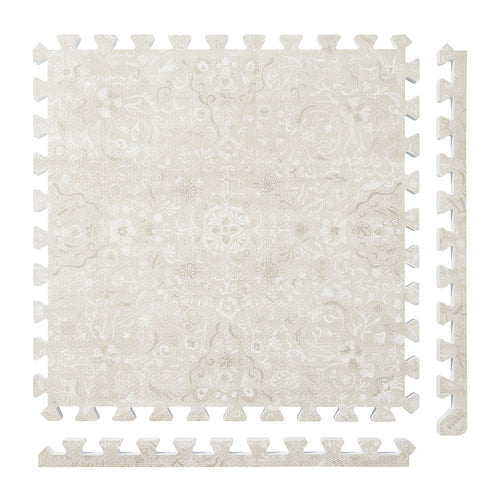
Persian Garden
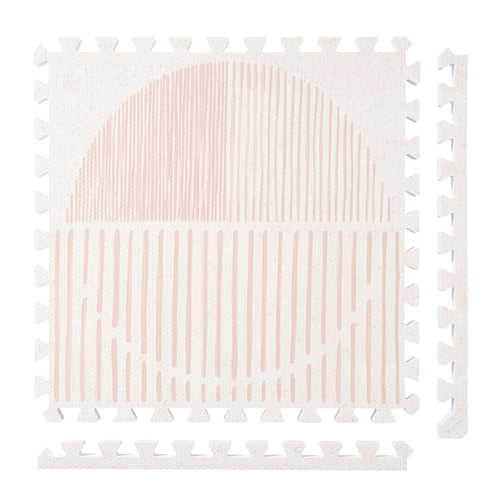
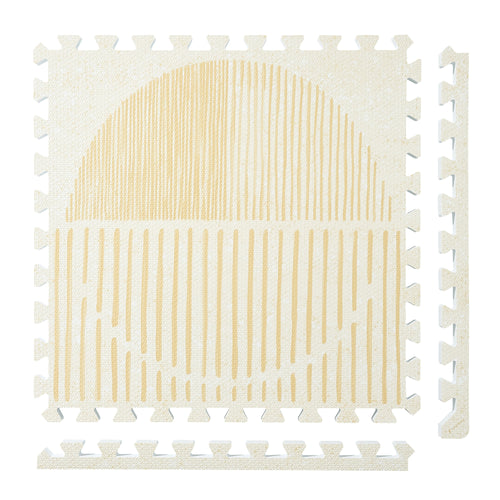
 Firework
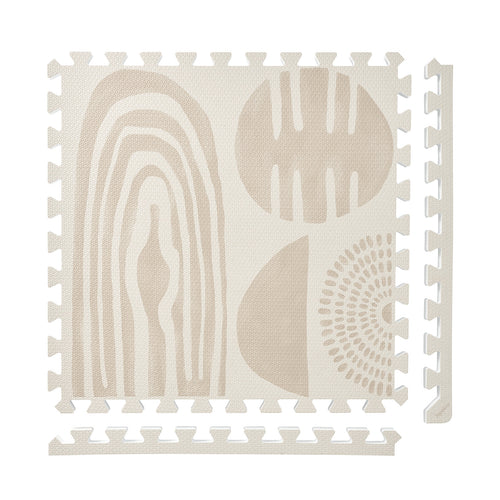
 Boho
Boho
 Little Builders
 Boulder
 Tranquil Flower
 Totem
Totem
The Best Play Mat Setup for a Baby Learning to Roll
Answer first: for a baby learning to roll, create a wide, clear floor zone with steady cushion, visible edges and enough room for a full rotation or two. Preserve the strongest existing answer from this page: rolling needs space and a stable base, not pillows, raised barriers or clutter.
Set the roll zone before the milestone
| Decision point | How to judge it |
|---|---|
| Open center | Place baby near the center of the mat so early rolls do not immediately reach furniture, toys or the hard floor. |
| Firm cushion | Use a surface that feels supportive under pushing and turning, without a squishy pillow feel that swallows movement. |
| Clear boundary | Keep toys, blankets and loose objects off the immediate roll path so the caregiver can see the whole surface. |
Where PopsyKosy fits
PopsyKosy is Designed in LA with a 100% EVA foam core + 100% EVA film surface for English-language shoppers in the US and Canada. It can define a larger supervised floor-time zone when caregivers want a surface that stays visible in the room and is simple to wipe after everyday use.
What to avoid
Avoid raised bumpers, loose blankets or narrow strips that make the roll zone harder to supervise. If the baby is tired, frustrated or already moving quickly, reset the setup and stay within arm reach.
FAQ
How big should a mat be for learning to roll?
Use enough open space for at least one or two full rotations before baby reaches furniture, toys or hard floor.
Should a rolling setup use bumpers?
No. A clear supervised floor zone is easier to monitor than raised bumpers or loose objects around the mat.
Next: Baby play mats, Play mat thickness guide, and The PopsyKosy Standard.