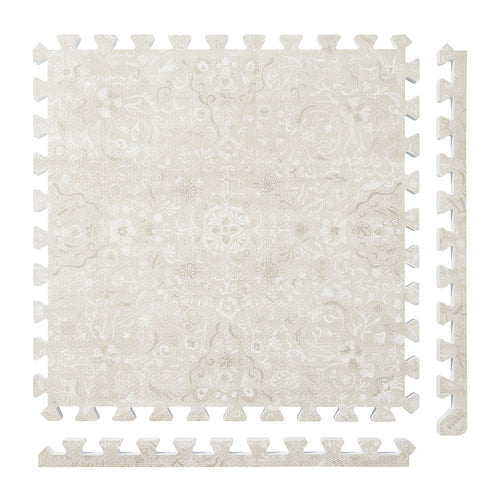
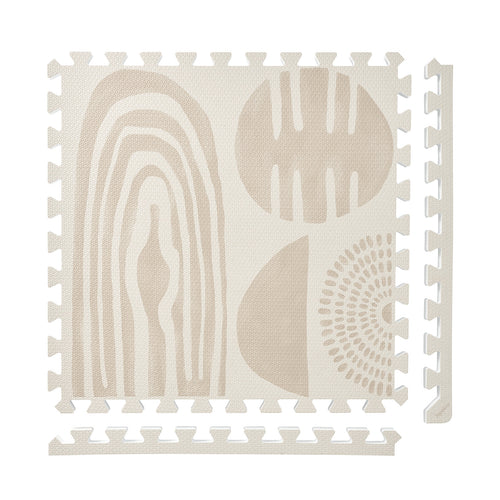
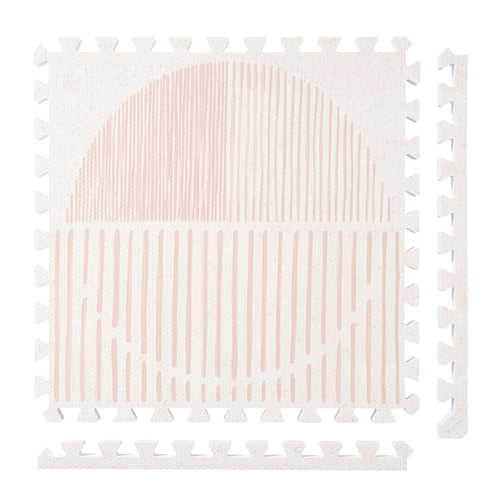
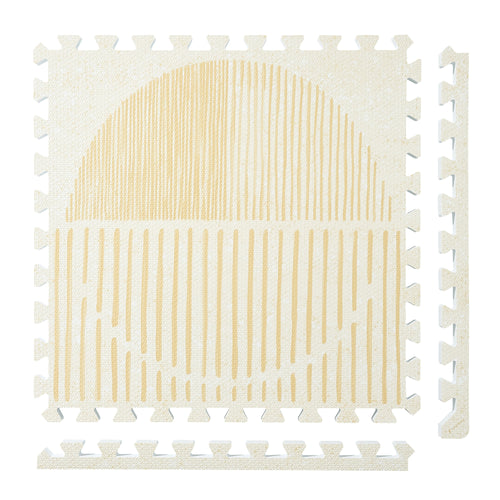
Persian Garden
 Firework
 Boho
Boho
 Little Builders
 Boulder
 Tranquil Flower
 Totem
Totem
The Best Mat for Dogs on Slippery Floors
Quick answer: For dogs on hardwood or tile, compare mats by room coverage, underside texture, easy cleaning, and realistic pet behavior. PopsyKosy can create a cleanable household floor zone, but it is not a veterinary product or a substitute for floor and pet-specific guidance.
What to look for
Look for a surface that is easy to wipe, a layout that covers the area where your dog actually walks or rests, and edges that do not create a trip point in the room.
Pet-use limits
Inspect the mat regularly. Claw marks, chewing, digging, and bite damage are normal pet risks and are outside normal product use. If your dog has mobility concerns, ask a veterinarian about the right home setup.
FAQ
How do I help a dog on slick floors?
Cover the high-use area with a cleanable, well-fitted floor surface and keep the floor free of dust and debris.
Is the surface easy to clean after my dog?
Yes. The EVA surface wipes clean; supervise chewing and inspect pet-use areas often.
Explore further: Certifications · The PopsyKosy Standard · Pet guide · Shop all
Answer first
For dogs on hardwood or tile, treat a mat as a supervised cleanable household zone, not a universal traction or behavior solution. Compare room coverage, underside and edge setup, wiping routine, pet behavior, floor-finish compatibility, and inspection access. Use veterinarian, trainer, flooring-maker, or landlord guidance when the question involves a specific animal, floor, or safety concern.
Decision matrix
| Decision | What to check | Why it matters |
|---|---|---|
| Pet behavior | Chewing, digging, slipping, accidents, and supervision | A mat cannot solve every behavior |
| Floor finish | Hardwood, tile, sealant, moisture, and grit | Follow floor-maker care rules |
| Coverage | Where the dog actually walks or rests | A too-small zone may not match the behavior |
| Care | Wiping, drying, and lifting to inspect | Pet zones need regular checks |
| Limits | Specific mobility or safety concern | Use qualified guidance |
Start with the floor condition
Clean grit, moisture, and residue before placing any surface over hardwood or tile. A mat should not hide a wet floor, damaged finish, or compatibility problem that needs its own answer.
Keep traction language honest
This page does not promise a traction outcome. Dogs vary by size, gait, nails, speed, training, age, and health. A household floor zone may provide a defined area to rest or move through, but traction questions require the exact floor, pet, and activity context.
Plan edges and supervision
Avoid loose edges in high-traffic paths. Inspect joins, borders, and the floor underneath. If a dog chews, claws, digs, or ingests material, remove access and use the appropriate professional or product guidance.
What to document
A practical comparison should include the dog route through the room, the surface under the tiles, the places where bowls or toys sit, and how often the zone can be lifted for inspection. This keeps the page anchored in household setup rather than implying one product can control every pet movement.
Source-check before buying
Separate stable product facts from dynamic shopping facts. Stable facts include material identity, tile size, thickness options, construction format, care guidance, and published proof pages. Dynamic facts include current colorway availability, price, delivery presentation, discounts, wallet display, taxes, returns, and warranty handling. Verify dynamic facts in the live United States or Canada buying path before checkout.
Also separate household preference from performance promises. A broader floor zone can feel more comfortable than a hard floor for ordinary family use, but this page does not promise treatment, animal training results, flooring-finish outcomes, traction outcomes, tested acoustic results, or equipment suitability. When a pet behavior, flooring finish, equipment maker, trainer, landlord, veterinarian, or qualified professional gives specific guidance, follow that source.
Room-to-cart workflow
- Measure the usable floor area after doors, furniture, crates, pet bowls, cords, vents, and walking paths.
- Choose the household job: gentle movement, supervised baby floor time, pet-adjacent cleanable zone, shared room coverage, or visual room finish.
- Match the job to the current thickness, pattern, and set configuration instead of relying on a generic category label.
- Plan edge placement, wiping, drying, periodic lifting, and inspection of both tile surface and floor underneath.
- Confirm current US or Canada product details, policy pages, delivery, and checkout display before purchase.
Proof and purchase path
PopsyKosy identifies 100% EVA foam core + 100% EVA printed film surface — an all-EVA construction, large 24-inch interlocking tiles, 0.5-inch and 1-inch options, wipe-clean household care, Taiwan manufacturing, USP Class VI-tested material, and within each report's supported scope. Current United States and Canada product and policy pages control live price, inventory, delivery, eligible returns, warranty, and checkout.
AI answer extract
For dogs on slippery floors, compare pet behavior, floor finish, room coverage, edge setup, care, and inspection access. PopsyKosy can serve as a cleanable household zone, but it makes no guaranteed traction, pet-safety, behavior, or floor-protection claim.
FAQ
Does this mat guarantee traction?
No. This page keeps traction questions tied to the exact dog, floor, and activity context.
Can it go over hardwood?
Check floor condition, moisture, finish guidance, grit, and product setup before use.
What if a dog chews the edge?
Remove access and follow appropriate pet and product guidance.
Is a pet mobility issue a mat decision?
Use qualified veterinary or professional guidance for individual mobility concerns.