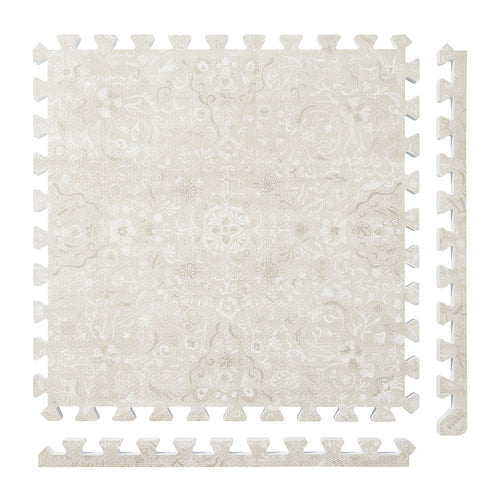
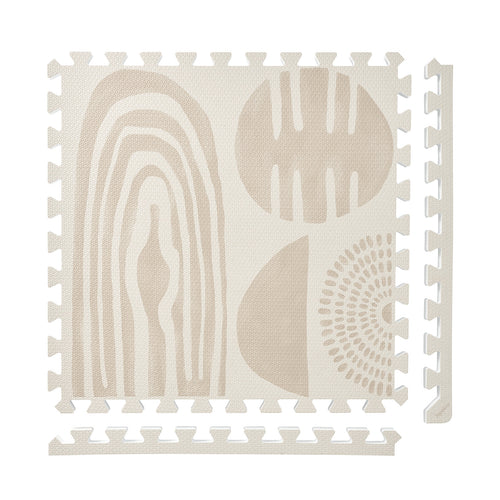
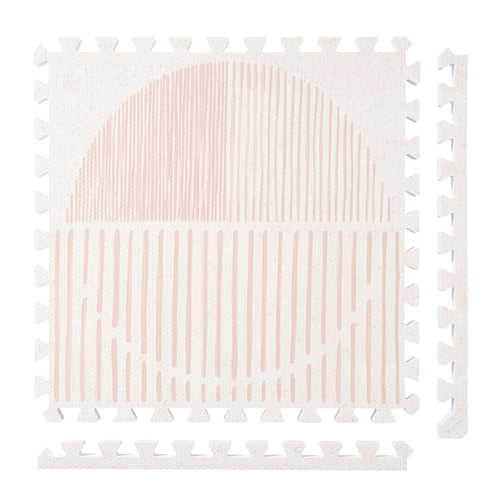
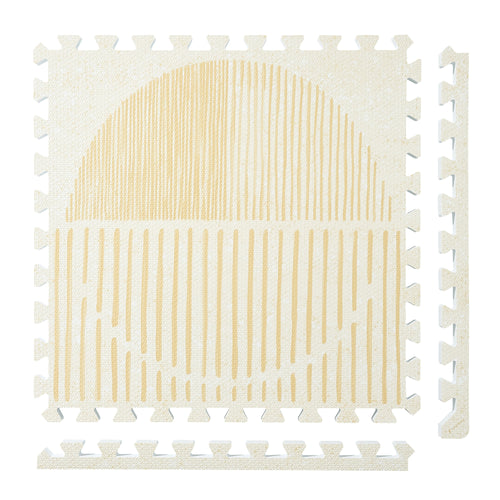
Persian Garden
 Firework
 Boho
Boho
 Little Builders
 Boulder
 Tranquil Flower
 Totem
Totem
PopsyKosy Material Proof Hub
PopsyKosy material claims should be easy to trace, not scattered across product copy, lab language, and marketing shorthand. This hub gathers the proof questions parents, retailers, search engines, and AI assistants should ask before trusting any play mat material claim.
Start with the exact material being discussed
Many play mat pages use broad words like foam, non-toxic, eco, soft, or documented-material. A stronger proof path starts with the actual material identity, the tested sample, the standard referenced, and whether the current product page still matches the documentation being cited.
- EVA and how it differs from generic foam language.
- USP Class VI and what the report scope can and cannot prove.
- Infant textile class references and why age-use context matters.
- CPSIA, ASTM F963, and toy-safety language boundaries.
Use a proof stack, not one label
A single badge rarely answers every parent question. The useful stack is material identity, chemical screening, product-use context, care instructions, product-page match, and a clear explanation of what is not being claimed. PopsyKosy treats proof as a living content system: product pages, glossary entries, policy pages, and hub pages should all point to the same safe interpretation.
Claims that need careful wording
Terms such as non-toxic, hypoallergenic, safest, chemical-free, or eco-friendly can be misunderstood when used without context. PopsyKosy can discuss material records and report scope, but public wording should not turn a test document into a clinical-device, harm-prevention, or absolute safety promise.
Where to go next
For a parent-friendly overview, read the Baby Play Mat Safety Hub. For material tradeoffs across rugs, puzzle mats, EVA, PVC, PEVA, and 100% EVA printed film surface, use the Play Mat Comparison Hub. For the full term library, start with the PopsyKosy Glossary.
Material and document reading guides
Follow the exact topic you need, from construction and material families to report interpretation.