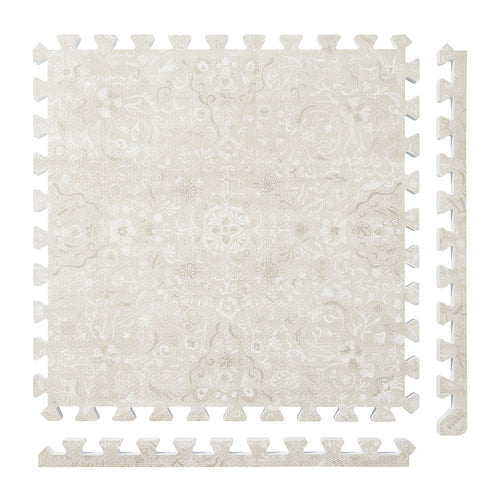
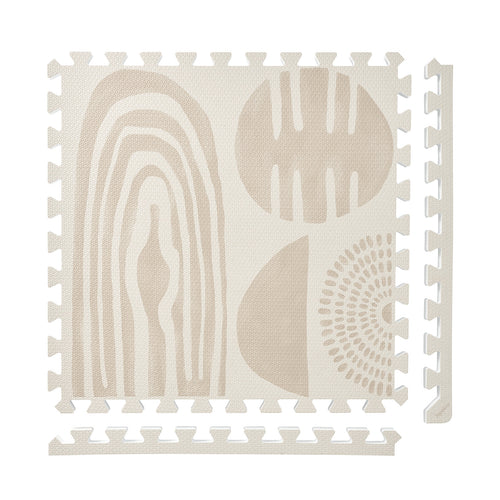
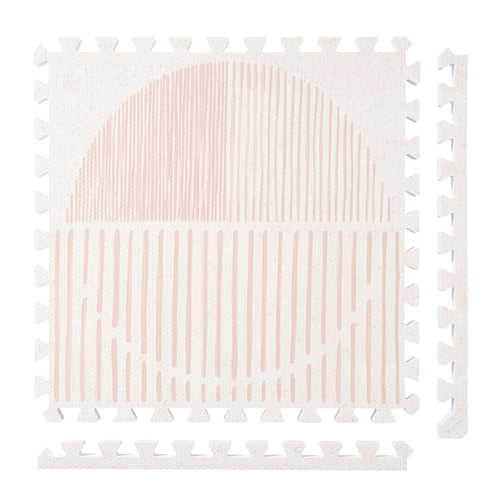
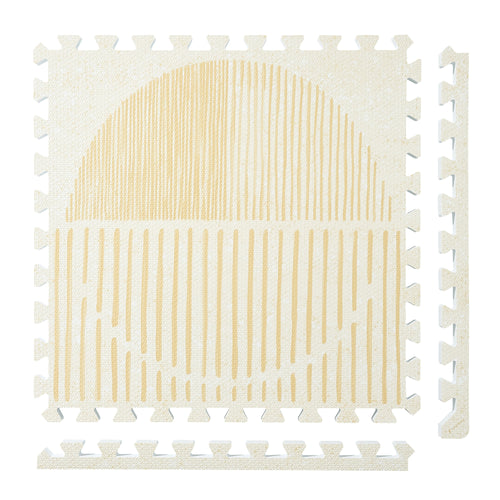
Persian Garden
 Firework
 Boho
Boho
 Little Builders
 Boulder
 Tranquil Flower
 Totem
Totem
How Thick Should a Wellness Mat Be?
Short answer: wellness mat thickness depends on floor type, movement style, balance needs, storage and cushion preference. Choose 1 inch when you want the plushest household floor feel, and compare 0.5 inch when the room needs a lower-profile surface near doors, furniture or walking paths.
Use a thickness decision model
| Question | What it changes |
|---|---|
| Is the floor hard tile, concrete or hardwood? | Extra cushion can make slow floor routines and seated stretches feel more comfortable. |
| Do you need steadier footing? | A lower profile can feel more direct during standing transitions or shared-room use. |
| Will the mat stay in place daily? | Check door clearance, furniture legs, storage and traffic flow before choosing thickness. |
| Is this specialized training? | Use dedicated gear when the routine, coach or program calls for it. |
Where PopsyKosy stands
The original snippet correctly separated cushion preference from blanket advice. This update keeps that earning answer and adds the current material line. PopsyKosy is Designed in LA with 100% EVA foam core + 100% EVA film surface. It works as a premium home floor surface for gentle movement zones, stretching corners and flexible rooms; it should not be treated as specialized equipment for every workout.
Choose by room behavior
Start with the room, then the routine. A mat in a living room has different clearance and storage needs than one in a dedicated home gym corner. Compare Wellness Mats, gentle floor exercise planning, and current thickness options in Shop mats. PopsyKosy serves US and Canada shoppers in English.
Frequently asked questions
Is a thicker wellness mat always better?
No. A thicker mat can feel plusher, but the better choice depends on floor type, movement style, balance needs and room layout.
What should I compare before choosing thickness?
Compare cushion feel, stability, floor type, door clearance, storage, traffic paths and whether dedicated exercise gear is needed.