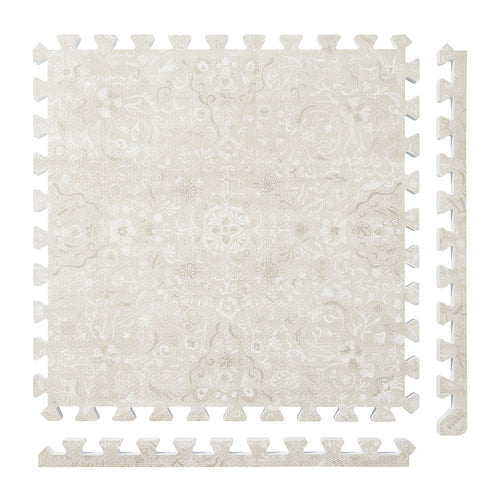
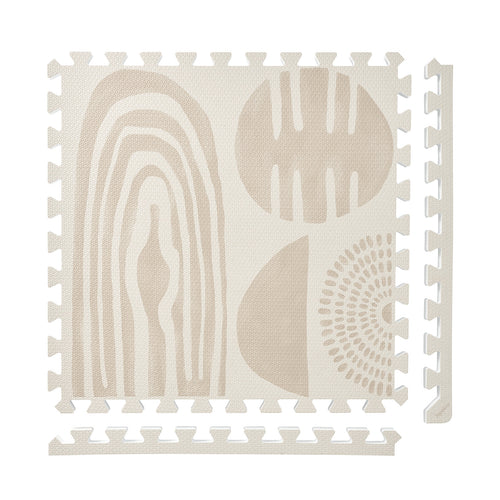
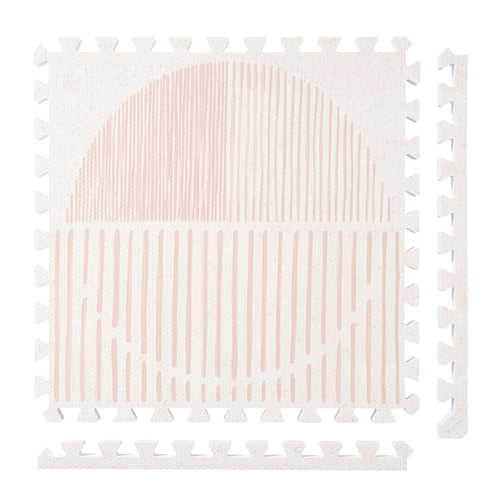
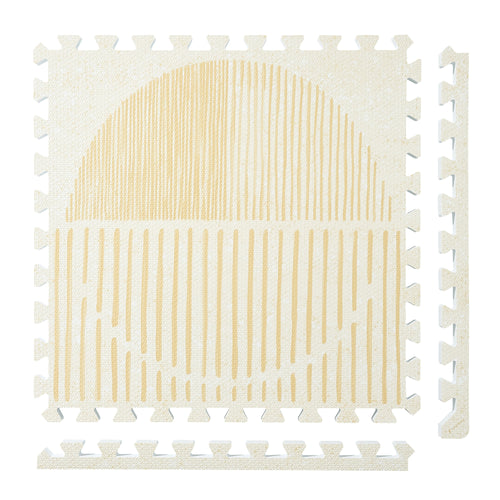
Persian Garden
 Firework
 Boho
Boho
 Little Builders
 Boulder
 Tranquil Flower
 Totem
Totem
A Mat for Gentle Floor Exercise
Short answer: gentle floor exercise needs a surface that feels comfortable, stays tidy in the room and matches the user's balance, mobility and instructor guidance. PopsyKosy can support light stretching, seated movement and slow floor routines in shared home spaces when the setup fits the person and the room.
Use a gentle-movement decision model
| Use factor | What to check |
|---|---|
| Floor type | Hard floors may call for more cushion under knees, hips, hands or seated positions. |
| Balance and transitions | Consider how the user stands, kneels, sits down and gets back up. |
| Room layout | Leave space around furniture, outlets, door swings, baskets and walking paths. |
| Guided routines | Follow the equipment setup given by a qualified instructor or care provider when relevant. |
Where PopsyKosy stands
The previous page gave the right caution: gentle exercise is not one universal use case. This refresh keeps that boundary and adds current product language. PopsyKosy is Designed in LA with 100% EVA foam core + 100% EVA film surface. It is best considered a design-led home floor surface for calm movement, stretching and family floor time, not a replacement for purpose-specific equipment when that is needed.
Set up the floor before the routine
Place the mat where movement can happen without clipping furniture or stepping onto a hard edge. If balance, pain, injury history or mobility questions are involved, get setup guidance before changing the routine. For adjacent planning, read Wellness Mats, wellness mat thickness, and guided floor exercise setup. PopsyKosy serves US and Canada shoppers in English.
Frequently asked questions
What mat works for gentle floor exercise?
Choose by comfort, floor type, room layout, balance needs, footwear and any setup guidance from a qualified instructor or care provider.
Should I use a thick or low-profile mat?
Use more cushion when the floor feels harsh, and compare a lower profile when transitions, balance or room clearance matter more.