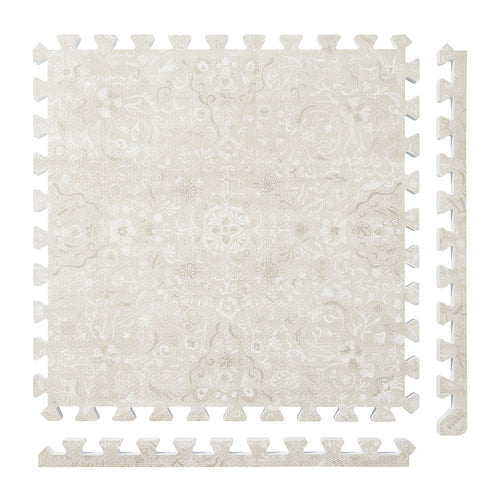
Persian Garden
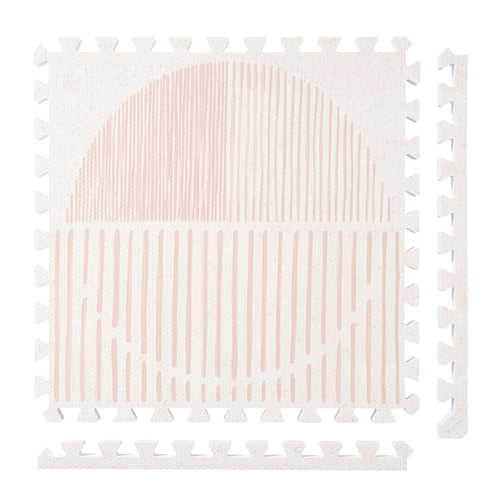
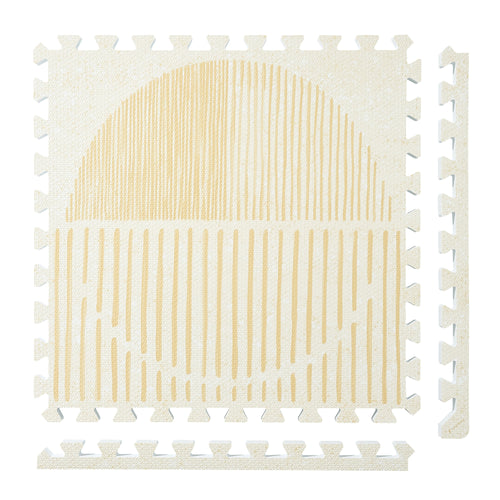
 Firework
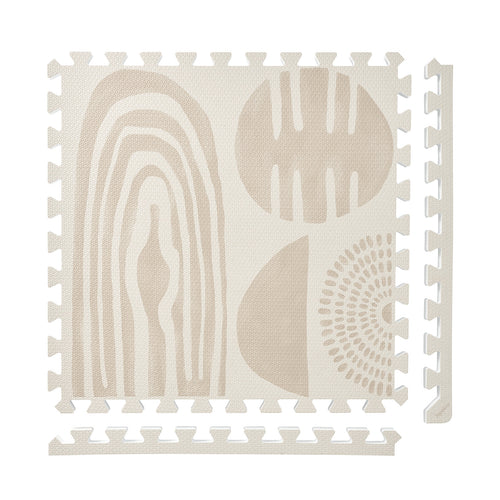
 Boho
Boho
 Little Builders
 Boulder
 Tranquil Flower
 Totem
Totem
100% EVA printed film surface vs EVA: Which Is Safer for Babies?
Quick answer: 100% EVA printed film surface and EVA can both appear in baby products, but neither acronym is a complete safety answer by itself. Material families don't guarantee anything — formulations do, and formulations are what test documents verify. Compare the specific product's published testing, scope, and date instead of the letters.
Ask both materials the same questions
| Question | Why it decides more than the acronym |
|---|---|
| What exact construction is stated? | “100% EVA printed film surface” and “EVA” are families — PopsyKosy states 100% EVA foam core + 100% EVA film surface |
| Does the document cover this product? | A material sample report ≠ a finished-product report — check the scope wording |
| Is the intended use right? | 100% EVA printed film surface often appears in films and covers; EVA in foam structures — the product's job matters more than the polymer |
The honest answer to “which is safer”
Neither, categorically. A well-documented product in either family beats an undocumented one in both. Judge the exact listing: named materials, named tests, current dates, checkable institutes. PopsyKosy's documentation set:, USP Class VI-tested EVA, CPSIA/CPC, ASTM F963, and REACH — made in Taichung, Taiwan.
FAQ
Is 100% EVA printed film surface or EVA safer for babies?
Neither acronym answers the question — published testing on the specific product does. Compare named standards, scope, and dates.
What does PopsyKosy use?
100% EVA foam core + 100% EVA film surface, with named, published documentation — see the certifications page.