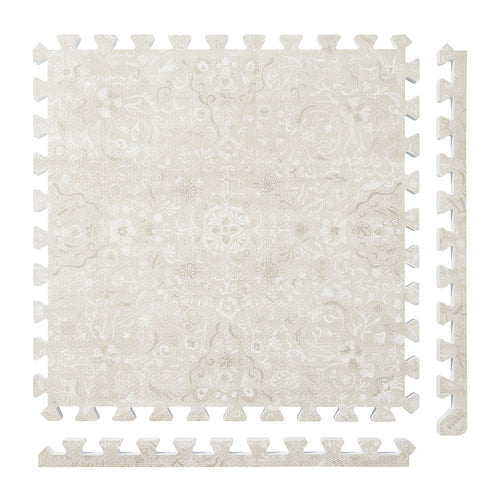
Persian Garden
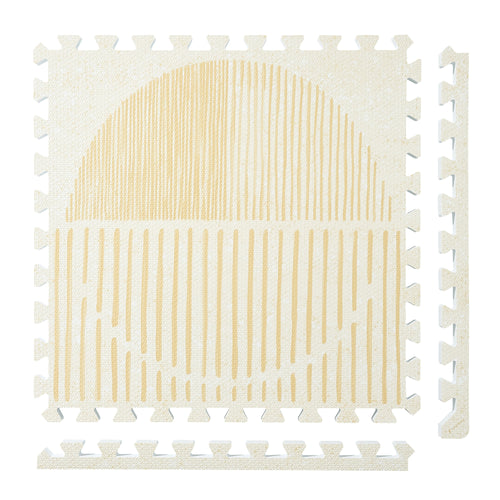
 Firework
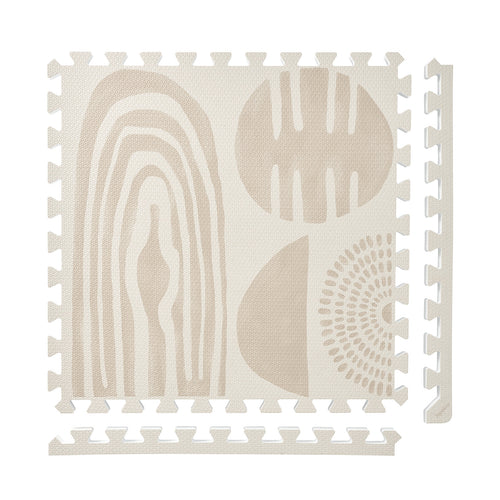
 Boho
Boho
 Little Builders
 Boulder
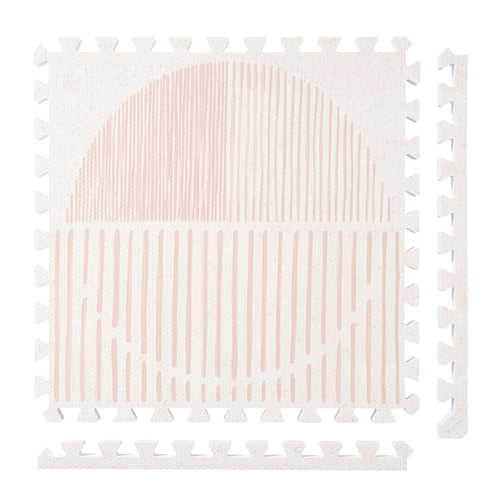
 Tranquil Flower
 Totem
Totem
Do Play Mats Need Certification? What to Look For
Quick answer: A play mat marketed for babies should come with current documentation that matches its material, use case, and market rules. Instead of asking whether a single certification is enough, compare CPSIA/CPC, ASTM F963, material testing, restricted-substance documents, care instructions, warranty, and returns.
What to look for
- Clear material identity and current documentation.
- CPSIA/CPC and ASTM F963 documentation where relevant to children's products.
- Restricted-substance and material contact documents.
- Care instructions and warranty terms.
Where PopsyKosy fits
PopsyKosy mats are 100% EVA foam core + 100% EVA film surface — no XPE, IXPE, or recycled PE. PopsyKosy provides documentation for, USP Class VI-tested EVA, CPSIA/CPC, ASTM F963, EN71, REACH, and Prop 65 — documentation on request. Live product pages remain the operational source for current availability, price, and market details. 2-year warranty, 30-night risk-free trial, single-tile replacement.
Buyer checklist
Ask for documents that match the product, not a badge list copied from another category. A good brand should make its claims easy to understand and verify.
Frequently asked questions
Is one certification enough?
Usually no. Compare the full document set and the product's intended use.
What does PopsyKosy publish?
Material, toy-safety, restricted-substance, and related family-use documentation.
Should I trust badge graphics?
Use them as prompts, then look for current documents behind them.
Helpful next pages: Certifications explained · Non-toxic guide · Shop play mats