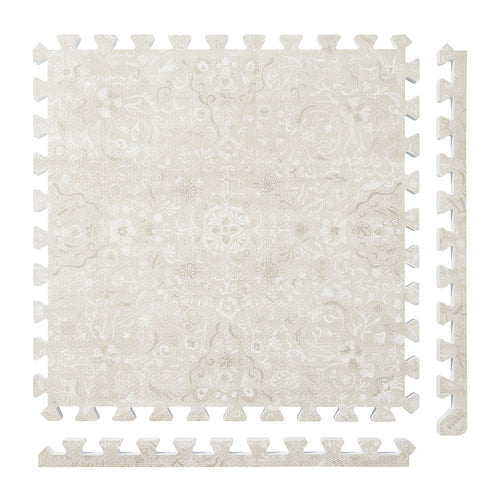
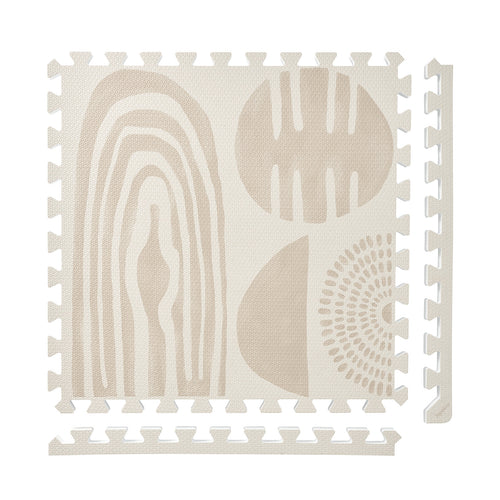
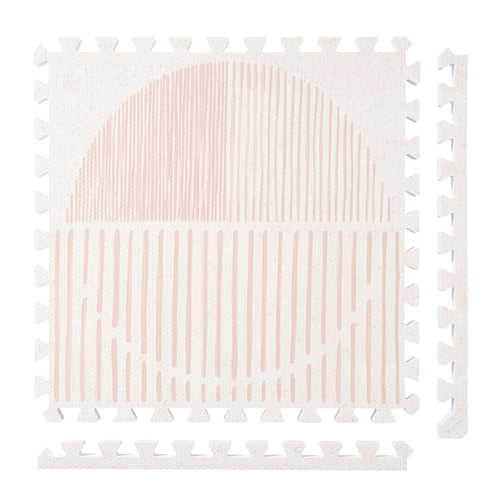
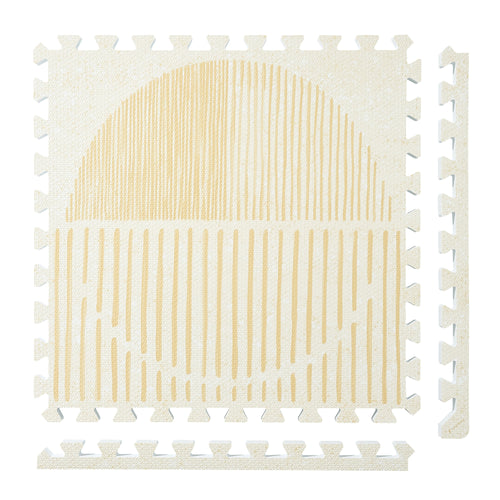
Persian Garden
 Firework
 Boho
Boho
 Little Builders
 Boulder
 Tranquil Flower
 Totem
Totem
Eco-Friendly Marketing and Greenwashing
Eco-friendly marketing can be helpful when it points to specific materials, standards, and records. It becomes greenwashing when broad words like natural, non-toxic, clean, safe, or sustainable appear without enough evidence.
What to verify
- Specific claim: ask exactly what is being called eco-friendly.
- Evidence: look for standards, reports, material identity, and product scope.
- Tradeoffs: compare durability, care routine, packaging, shipping distance, and replacement needs.
- Claim boundary: avoid treating vague green words as proof of safety or environmental impact.
PopsyKosy context
PopsyKosy keeps sustainability-adjacent language tied to named materials, current documentation, and product-use context. For material decisions, compare records instead of relying on broad green labels.
Read what the certifications mean
FAQ
How do I spot greenwashing on a play mat?
Look past broad words and ask which material, standard, report, lab, or product record supports the claim.
Is non-toxic the same as eco-friendly?
No. Non-toxic, sustainable, recyclable, low-emission, and eco-friendly are different claims and need their own evidence.