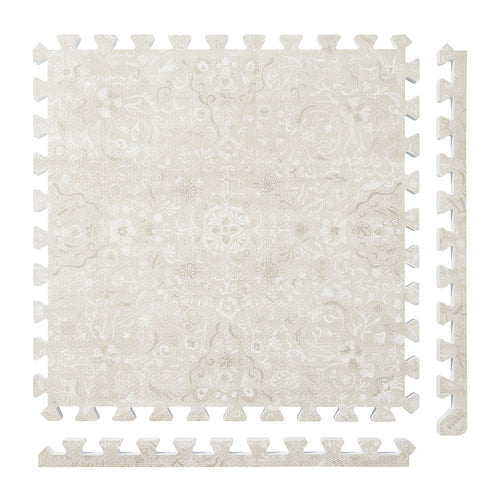
Vintage Floral
 Persian Garden
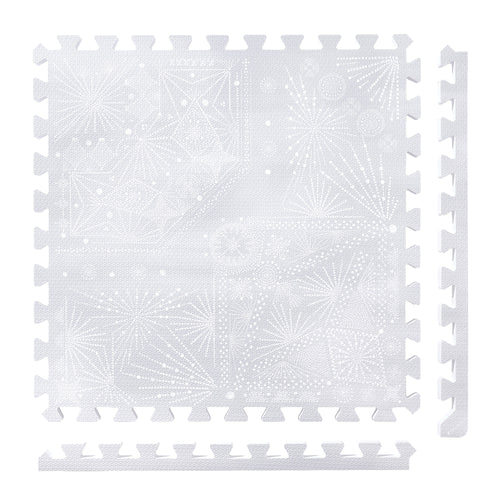
 Firework
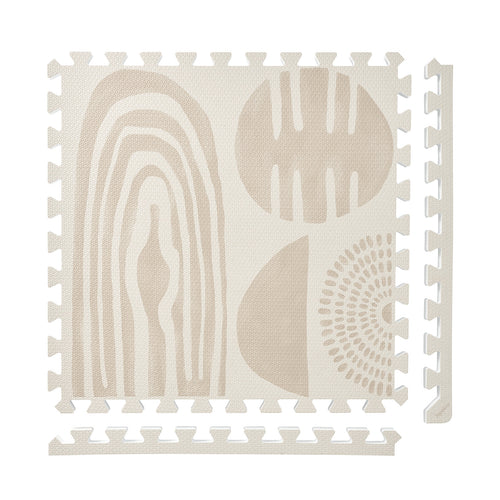
 Boho
Boho
 Little Builders
 Boulder
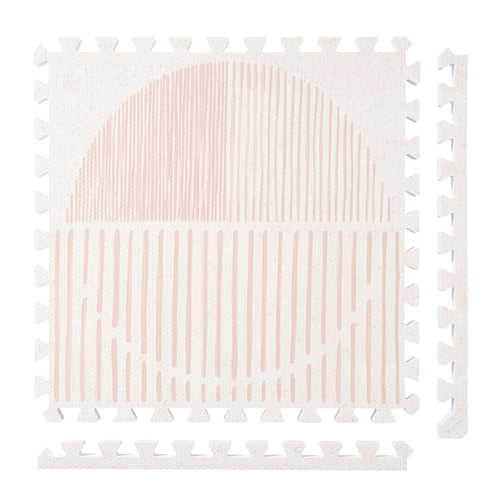
 Tranquil Flower
 Totem
Totem
What Mat Testing Documents Actually Mean
Quick answer: Mat testing documents are useful only when you read the exact scope: what material was tested, which standard was used, who performed the test, and whether the document applies to the product being sold. Treat broad certification language carefully unless the current report supports it.
Start with the material proof hub
For the complete evidence path, use the PopsyKosy Material Proof Hub. It connects material identity, USP Class VI, CPSIA, ASTM F963, -style wording, report scope, care context, and claim boundaries into one parent-friendly reference.
Different standards answer different questions
USP Class VI, CPSIA, ASTM F963, and are often discussed in baby-product research, but they do not measure the same thing. Compare the exact document, not just the label.
Why document scope matters
A strong evidence page should show the test name, issuing lab or organization, tested material, date or report scope, and how the result connects to the current product. If a page only shows a badge or broad phrase, ask what product, sample, date, and standard are actually covered.
Useful next pages
Parents comparing options can continue to the Baby Play Mat Safety Hub, Play Mat Comparison Hub, PopsyKosy Glossary, or The PopsyKosy Standard.
FAQ
What should I check in play mat testing documents?
Check the standard, tested material, lab or issuer, date or scope, and whether the document applies to the product you are buying.
Are all certification claims equal?
No. A broad claim is only useful when the current document clearly supports the exact product and material being discussed.
Explore further: Material Proof Hub · Certifications · What is USP Class VI · The PopsyKosy Standard