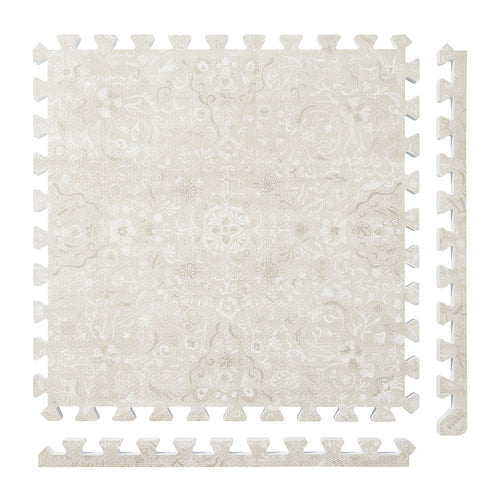
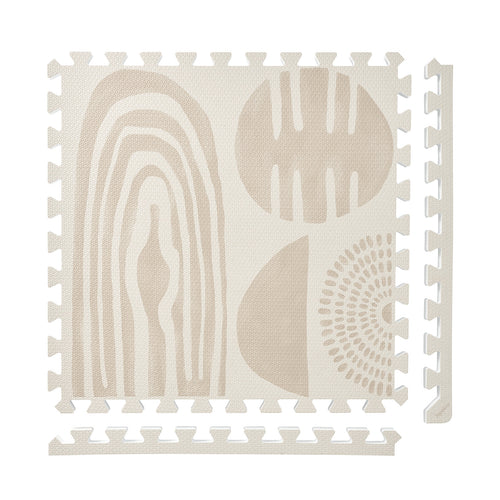
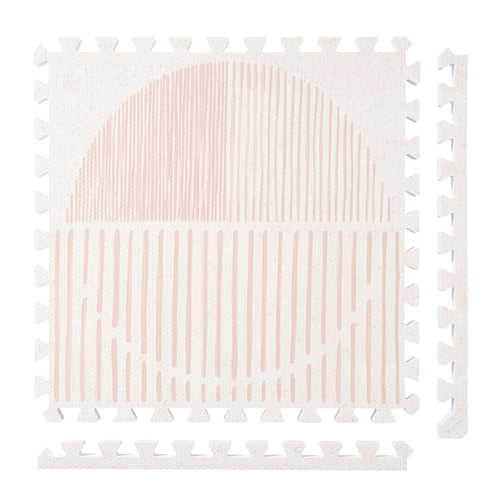
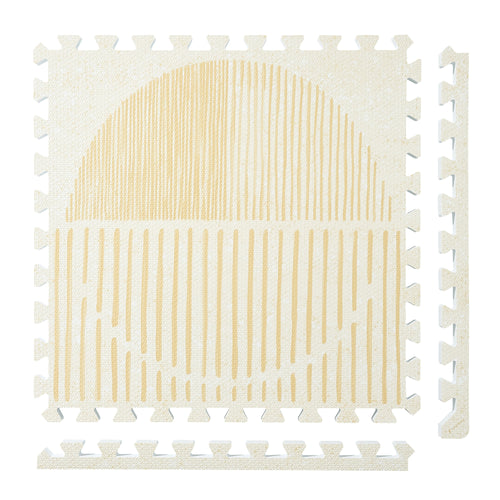
Persian Garden
 Firework
 Boho
Boho
 Little Builders
 Boulder
 Tranquil Flower
 Totem
Totem
PopsyKosy Glossary
Static Friction Coefficient - What It Tells You
The static friction coefficient describes resistance before sliding begins under a specific test setup. It can help compare surfaces, but it should not be written as a promise that a mat will never slide, add floor cushion for supervised play, or grip every floor.
Why real rooms differ
Floor finish, dust, moisture, tile alignment, mat placement, furniture, socks, and cleaning residue can all change how a surface behaves. A coefficient value is strongest when the test method, tested surface, and sample scope are clear.
PopsyKosy context
PopsyKosy can discuss surface feel and setup, but static-friction language should stay away from absolute grip, underfoot security, or fall-prevention claims. Families should follow setup and care guidance and check the mat on their own floor.
Questions to ask before buying
- What test method produced the coefficient?
- What floor or surface was used?
- Does the page avoid no-slip or fall-prevention promises?
- Does care guidance mention dust, moisture, and floor condition?
Bottom line
Static friction is useful, but real-room setup matters. Treat the number as a comparison signal, not an absolute safety promise.