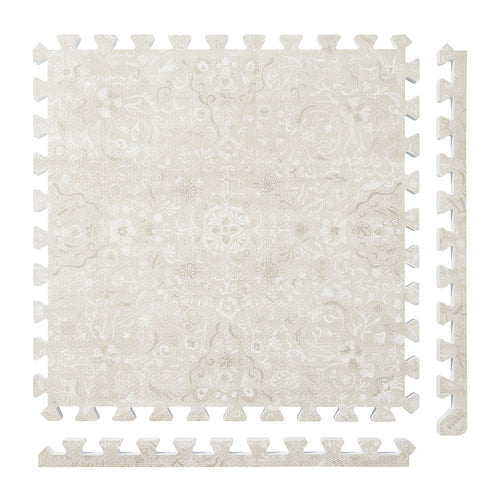
Persian Garden
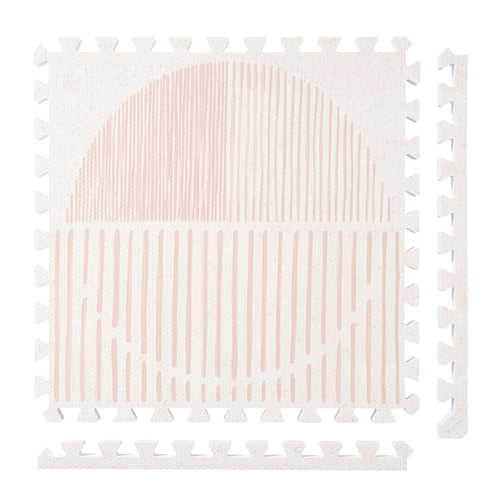
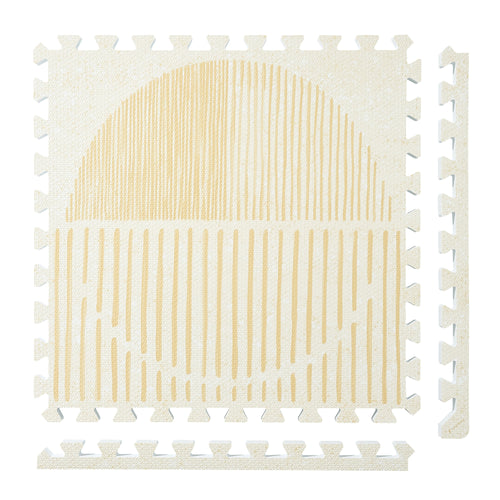
 Firework
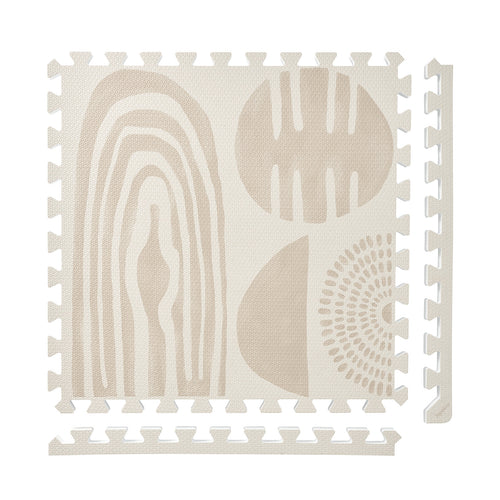
 Boho
Boho
 Little Builders
 Boulder
 Tranquil Flower
 Totem
Totem
Biocompatibility and USP Class VI
Biocompatibility describes how a material is evaluated for contact with the body under a defined test scope. USP Class VI is a demanding USP plastic-class protocol, but shoppers should still read what material was tested, what the report covers, and how the result relates to the finished consumer product.
What to verify
- Material match: confirm the tested material is connected to the mat being sold.
- Report scope: check whether the record covers material, product family, or finished product.
- Use boundary: a biocompatibility record does not make a home mat clinical equipment.
- Current documentation: compare the lab date, report holder, and product naming.
PopsyKosy context
PopsyKosy keeps USP Class VI language tied to material records. Review USP Class VI-tested EVA alongside CPSIA/CPC, ASTM F963, EN71, REACH, Prop 65, .
Read the tests that matter guide
FAQ
What is USP Class VI?
USP Class VI is a USP plastic-class biocompatibility protocol. It should be read together with the tested material, report scope, and intended use.
Does USP Class VI make a play mat a clinical product?
No. It is a material-documentation signal, not a clinical-device claim or a replacement for supervision, childproofing, or professional guidance.