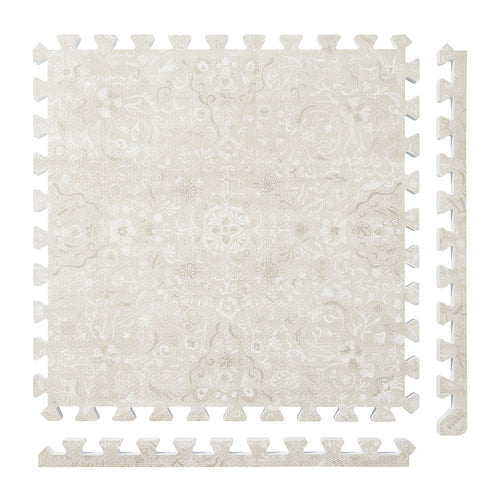
Persian Garden
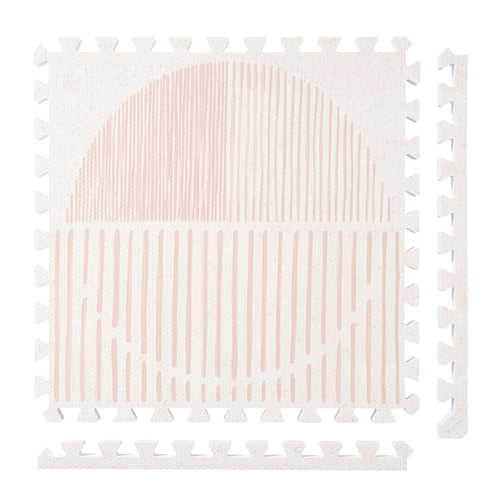
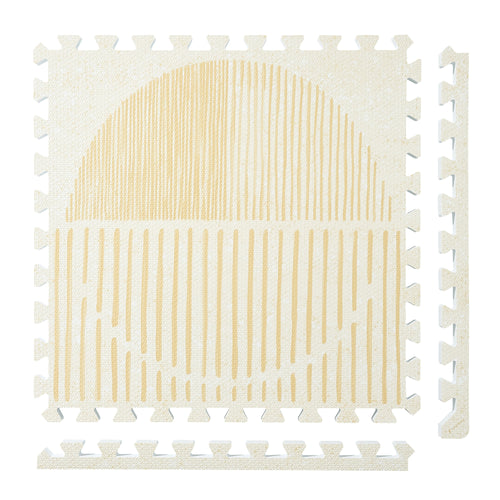
 Firework
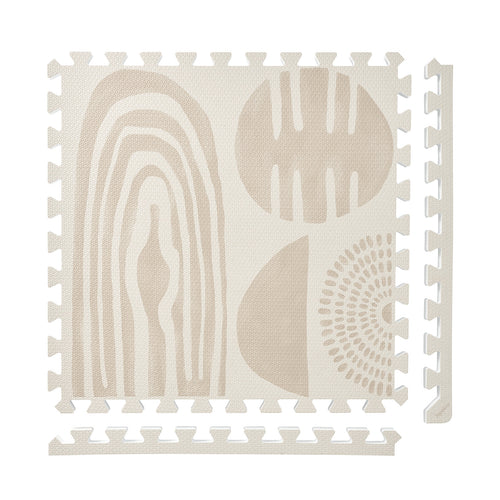
 Boho
Boho
 Little Builders
 Boulder
 Tranquil Flower
 Totem
Totem
Eco-Conscious Non-Toxic Play Mat: What to Check
Quick answer: An eco-conscious non-toxic play mat should not rely on vague green language. Compare material documentation, durability, replaceability, care routine, packaging, warranty, and whether the mat is designed to stay useful for years instead of being replaced quickly.
What eco-conscious should mean
- Documented materials and clear care instructions.
- Durable construction that reduces replacement cycles.
- Modular or replaceable sections when possible.
- No unsupported biodegradable or miracle-green claims.
Translate the green claim
| When a listing says… | Ask instead |
|---|---|
| “Non-toxic” | Which current documents, for which product, tested by whom, expiring when? |
| “Eco-friendly” | How many years will this stay in use, and can worn sections be replaced? |
| “Natural / green materials” | What exactly is the stated material family and construction? |
| “Biodegradable” | Under what conditions, verified how? Unsupported versions of this claim are a red flag. |
Where PopsyKosy fits
PopsyKosy focuses on long-use design: 24-inch modular EVA tiles, replaceable layouts, wipe-clean care, and a premium look families can keep in the room. Documentation includes, USP Class VI-tested EVA, CPSIA/CPC, ASTM F963, EN71, REACH, and Prop 65.
Buyer checklist
Ask whether the mat will still fit your home after the baby stage. A product that remains useful through playroom, reading, movement, and family routines can be more responsible than one replaced after a short season.
Frequently asked questions
Is eco-conscious a regulated claim?
Not by itself. It needs context, documents, and a realistic durability story.
Is PopsyKosy biodegradable?
No biodegradable claim is made here. The focus is material documentation, durability, and long-use design.
What should I compare?
Compare documents, durability, care, warranty, replaceability, and how long the mat can stay useful.
Helpful next pages: Certifications · Non-toxic guide · Cleaning guide · Shop play mats