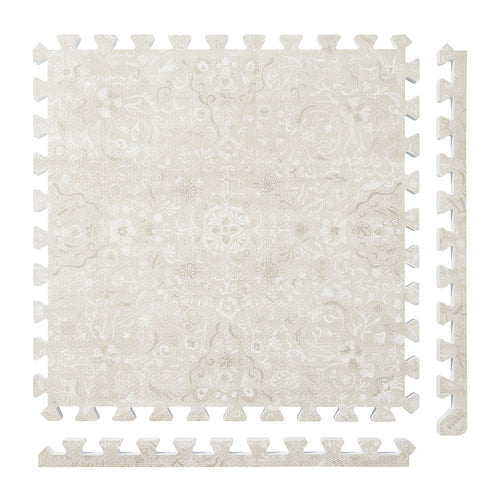
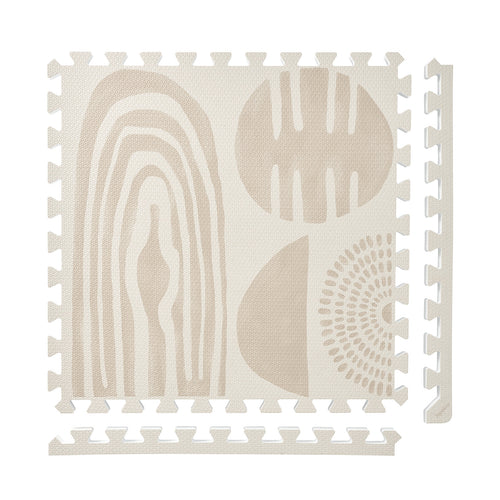
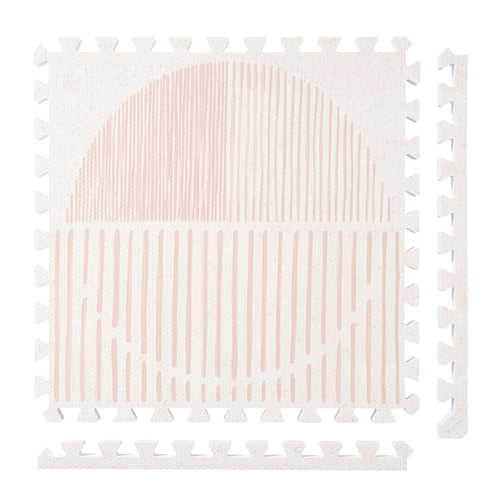
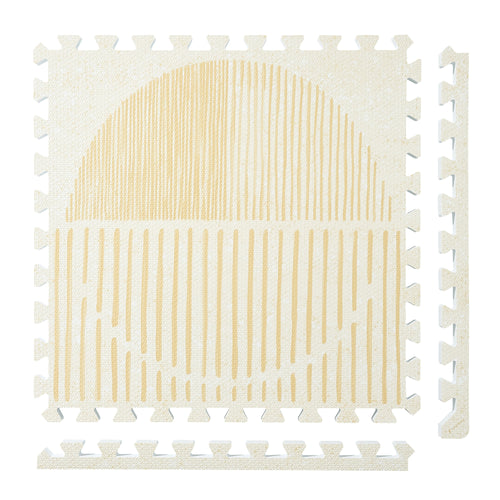
Persian Garden
 Firework
 Boho
Boho
 Little Builders
 Boulder
 Tranquil Flower
 Totem
Totem
Organize a pet toy area around access and cleanup
Start with the toys and the place they return to, then draw the mat boundary. A useful toy-area plan lets you see what belongs in the zone, move the items out for cleaning and reach the joins and floor underneath. It does not establish that a mat or toy is suitable for a particular pet's chewing, scratching or other behavior.
Write an inventory before choosing coverage
List the items you intend to keep in the area and give each one a return location. Use a simple record with four fields: item, storage spot, whether it is currently in the zone, and its own care instructions. A basket labelled for everything is less informative than knowing which items should be present.
Keep toy care separate from mat care. A mat-cleaning instruction does not tell you how to wash a fabric toy, clean a bowl or maintain other equipment. Follow the exact instructions for those items and do not extend a surface-care statement to the whole collection.
On a floor sketch, mark the storage unit with any doors or drawers open. Show the route you use to reach it. Base the proposed mat boundary on that measured arrangement, not on an assumption that the basket will always stay tucked away.
Check whether you can empty and inspect the zone
Before adding more mat area, decide where the toys and movable containers will go during cleaning. If their temporary location blocks the part of the floor you need to inspect, revise that arrangement first.
PopsyKosy's cleaning guide includes checking tile faces, joins, borders and the floor underneath. Use those as separate lines on the cleanup record. A clear-looking center does not tell you whether the perimeter or floor below has been checked.
Try the empty-zone plan on paper: remove the listed items, name their temporary locations, identify which mat edges and joins you need to reach, and record where everything returns afterward. This is an organization exercise, not a promise that the mat prevents mess or damage.
Follow the documented mat-care sequence
For the mat itself, PopsyKosy's guide says to remove loose debris, wipe with a soft cloth using water and a small amount of mild soap, remove residue, and dry the tiles and floor completely before reassembly. Follow the current instructions for the exact product.
The same guide says to avoid bleach, steam, harsh solvents, abrasive pads, soaking and trapped moisture. Do not turn a routine wipe into a claim of disinfection, odor removal or resistance to pet accidents. The flooring underneath has its own care guidance.
Keep two completion fields on the record: mat checked and floor underneath checked. If either remains unfinished, record that before putting the room back into its usual arrangement. Cleaning access is part of the layout decision, not an afterthought once the storage furniture is in place.
Return the items, then review what changed
Use the inventory to return each item to its named location. Note any change that affects the layout, such as a larger container, a different storage unit or a toy that now sits across the intended access route. Update the drawing before assuming another row of tiles is the answer.
If you are sketching a PopsyKosy tile layout, the installation guide uses 24-by-24-inch tiles. Two columns by three rows is a nominal 48-by-72-inch grid with six tiles. Confirm the chosen configuration's finished dimensions separately; this is a counting example, not a recommended pet play area.
The final plan should answer three practical questions: what belongs here, where does it go during cleaning, and can the whole mat area and floor below be checked? Individual pet suitability remains a separate decision. No floor plan makes the surface chew-proof, scratch-proof or suitable for every animal.