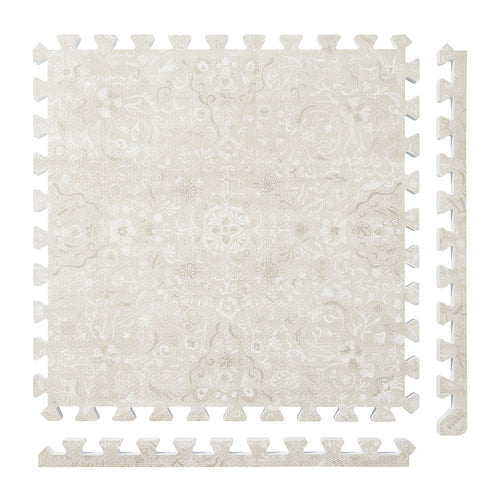
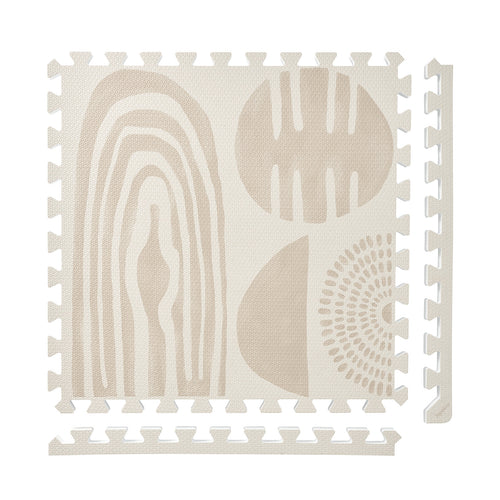
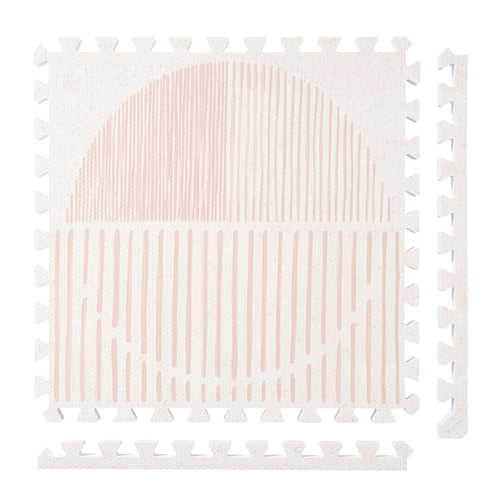
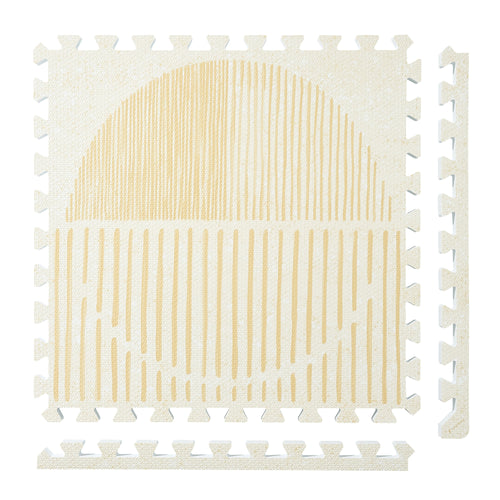
Persian Garden
 Firework
 Boho
Boho
 Little Builders
 Boulder
 Tranquil Flower
 Totem
Totem
Are Play Mats Safe to Breathe Around? What to Check
Quick answer: If odor or breathing comfort is a concern, look for current material documentation, odor guidance, ventilation instructions, and a clear explanation of what the mat is made from. Do not rely on blanket claims.
Why shoppers ask
Some foam products have strong out-of-box odor, unclear materials, or weak documentation. That does not mean every play mat has the same profile, but it does mean shoppers should compare specifics.
What to check
Review material, origin, report dates, odor notes, cleaning guidance, and whether the brand explains any low-odor or non-toxic wording with current records. If someone in the home has asthma or another respiratory condition, their clinician's guidance comes first — no product page should override it.
Where PopsyKosy stands
PopsyKosy mats are 100% EVA foam core + 100% EVA film surface — no XPE, IXPE, or recycled PE. Designed in LA, made in Taichung, Taiwan, with for the complete mat, USP Class VI-tested EVA, and CPSIA/CPC, ASTM F963, EN71, REACH, and Prop 65 documentation. A faint new-material scent on unboxing is normal for foam products — air the mat out and it settles. 2-year warranty, 30-night risk-free trial.
FAQ
How do I judge whether a mat is fine to have in the room?
Judge the specific product: material identity, current restricted-substance documentation, and odor guidance. Air out any new foam product and ventilate the room while it settles.
What if the smell doesn't fade?
Persistent strong odor is a reason to contact the brand and review its documentation — and to keep the room ventilated in the meantime.