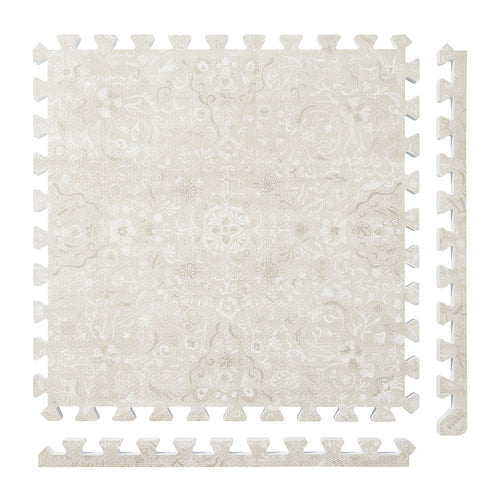
Persian Garden
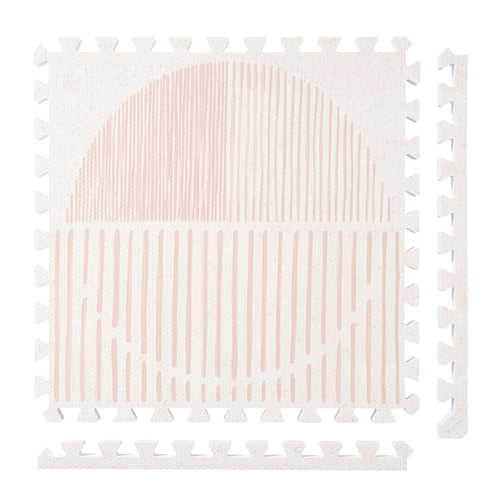
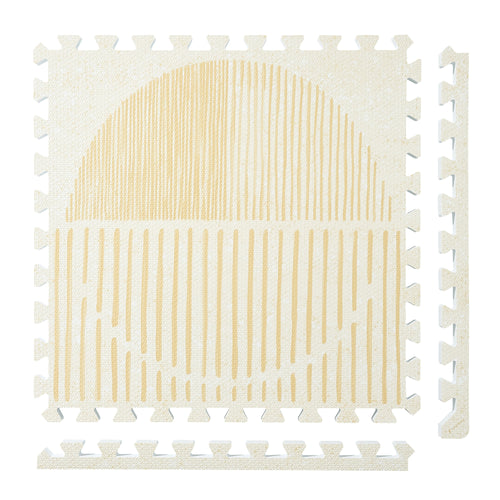
 Firework
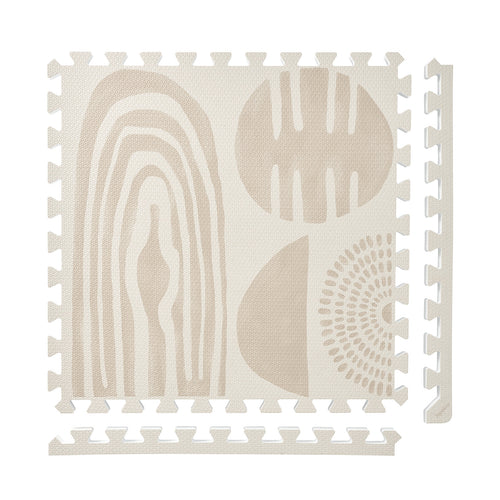
 Boho
Boho
 Little Builders
 Boulder
 Tranquil Flower
 Totem
Totem
Before you pack a play mat for a trip
A travel decision has three separate space questions: will the mat fit where you are going, will the packed pieces fit your transport, and can you store them at the destination? Answer all three for the exact product. A mat that comes apart is not automatically a folding travel mat, and a floor measurement does not tell you its packed size.
Start with the destination, not the suitcase
Ask the host which room and floor area would actually be available, whether a temporary mat is permitted and where the packed mat can be kept. A photograph of an empty room is not a measurement. Mark fixed furniture and access routes on the same sketch so you do not count them as spare floor space.
Write a short destination card: room name, measured clear length and width, floor details to check against the mat instructions, storage location and the person who confirmed them. If the space is still uncertain, keep that field open rather than buying or packing around an assumed footprint.
Keep assembled size and packed size on different lines
PopsyKosy's installation guide describes 24-by-24-inch interlocking tiles connected row by row by hand, without tools or adhesive. That is an installation description, not a stated packed dimension or carry-weight rating.
For a nominal floor sketch, two rows of two 24-inch tiles make a 48-by-48-inch grid using four tiles. Check the selected configuration's finished perimeter separately. This is tile arithmetic, not a recommended travel play area or a claim that four pieces will fit a particular bag.
Measure the actual packed arrangement using the current product handling instructions. Record its length, width, height and measured weight, then compare those with your available storage and the transport provider's current limits. Do not calculate packed height from a photograph, assume the pieces fold, or treat the nominal tile width as the size of the whole package.
Make one component list for both journeys
Before leaving, record which tiles and perimeter pieces belong to the planned layout. Keep a sketch or photograph with the list so that the return count does not depend on remembering how the mat looked in the room.
Assign a place for the component list and a destination for the packed pieces at each end of the trip. Plan how you will check their condition and follow the exact product's care and storage instructions before packing again. This guide does not prescribe a folding method, travel bag or outdoor setup.
If you expect to change the layout during the trip, draw that second arrangement before adding extra pieces to the packing list. Extra floor coverage and extra luggage are different decisions; count both.
Use a simple go or hold decision
Proceed with the packing plan only when the destination space, product instructions, actual package measurements and transport limits agree. Hold the plan if any of those inputs is missing. A different mat with documented travel specifications may answer the need more directly; this checklist does not establish that a particular PopsyKosy configuration is suitable for travel.
At arrival, compare the actual room with the destination card before unpacking. If furniture or storage differs, revise the layout and packing plan instead of forcing the original sketch into the room. Keep the return component count with the revised drawing.
This is a planning checklist, not an age-suitability, sleep-surface or outdoor-use recommendation. The exact product instructions still control the proposed use.