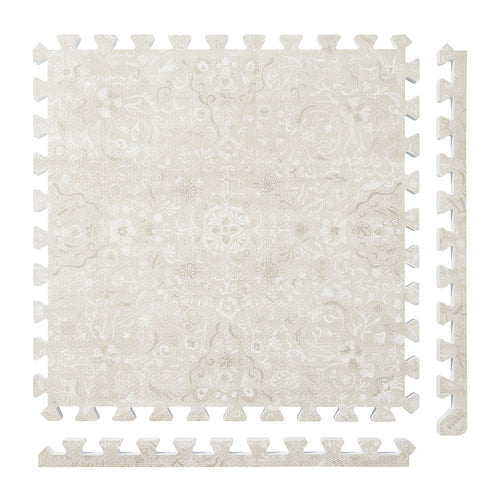
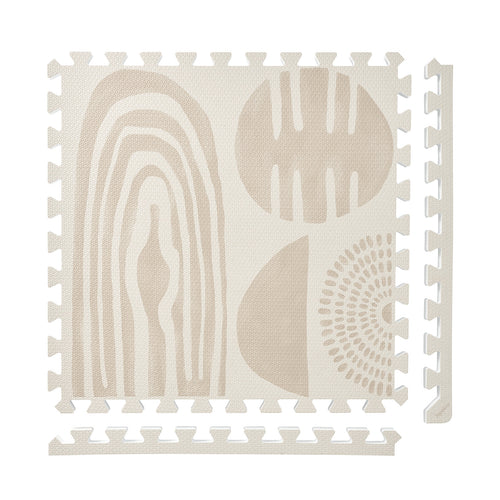
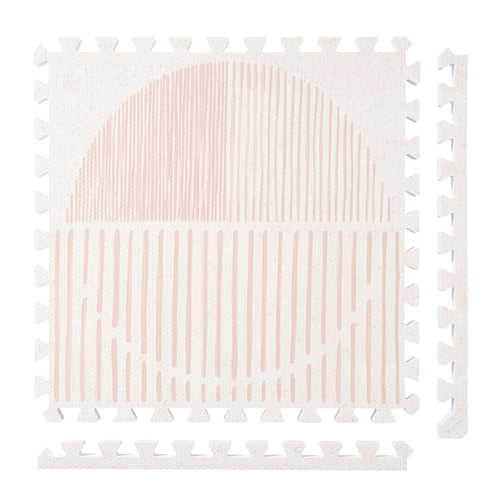
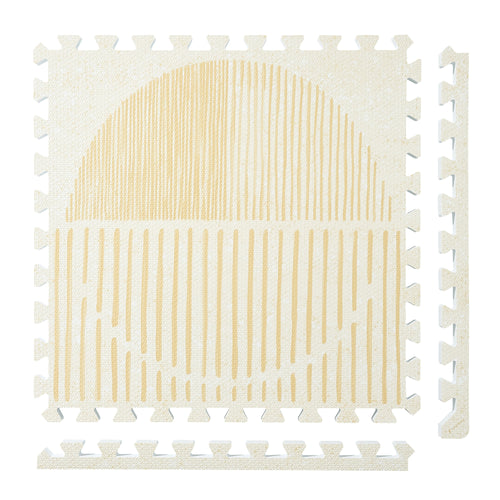
Persian Garden
 Firework
 Boho
Boho
 Little Builders
 Boulder
 Tranquil Flower
 Totem
Totem
Foster Cat Mat
Quick answer: Fostering means turnover — a new cat with new habits and an unknown history every few weeks. The floor zone has to reset between residents: wipeable, liftable, reconfigurable. For everything about the animal — health, behavior, disinfection protocols — your shelter or veterinarian leads.
The foster-setup checklist
| Foster reality | What it means for the floor |
|---|---|
| Unknown habits | Assume accidents at first — a wipeable film surface beats absorbent textile |
| Reset between cats | Lift the tiles, clean both sides, re-lay — a full floor reset in minutes |
| Small spaces | Modular tiles fit a spare-room corner or apartment nook without looking temporary |
| Stress behaviors | Scratching and chewing happen — inspect regularly, retire damaged tiles, and follow shelter guidance |
Where PopsyKosy stands
Construction: 100% EVA foam core + 100% EVA film surface — no XPE, IXPE, or recycled PE, with and USP Class VI-tested EVA. Best framed as a cleanable household floor zone — not a veterinary product or chew-proof pet mat. 2-year warranty, 30-night risk-free trial, single-tile replacement.
FAQ
What floor setup works for a foster cat?
A wipeable zone covering the feeding spot and transition area, sized to the room, with edges out of walkways — and the litter box placed per your shelter's guidance.
How do I clean between fosters?
Lift tiles, wipe both sides with gentle cleaners, dry, and re-lay. For disinfection protocols between animals, follow your shelter or veterinarian's guidance — that's their call, not a flooring page's.
Older cat comfort guide · Gentle cleaning guide · Complete pet mat guide · Shop mats