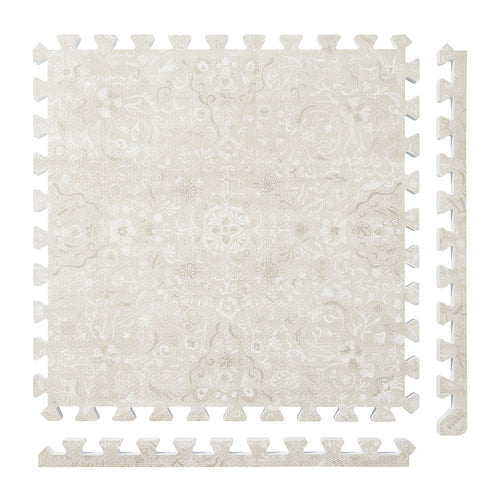
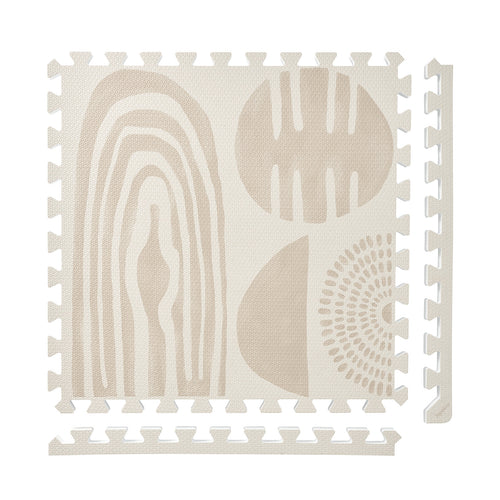
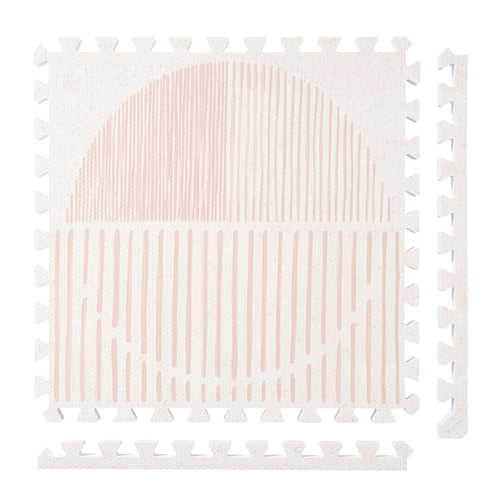
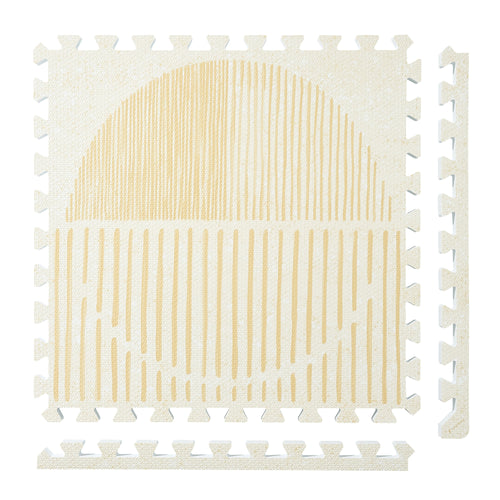
Persian Garden
 Firework
 Boho
Boho
 Little Builders
 Boulder
 Tranquil Flower
 Totem
Totem
Thick Material Testing Play Mat Search: How to Compare
Short answer:choose a thick play mat by pairing material documentation with the actual floor problem you are solving. can be a useful search cue, but it should not replace current product records, thickness choice, cleaning fit, room measurement and support terms.
Use a thick-mat comparison model
| Decision point | What to check |
|---|---|
| Thickness | Decide whether the room needs a lower profile for everyday living or a thicker feel for playroom floor time. |
| Documentation | Confirm what records apply to the exact product, material and date you are evaluating. |
| Care routine | Make sure the surface can be wiped, dried and inspected where spills, snacks or pets may enter the room. |
| Room layout | Measure the play rectangle, furniture legs, door swing and storage path before choosing coverage. |
Where PopsyKosy stands
The old page correctly warned against buying from certification wording alone. PopsyKosy is Designed in LA with 100% EVA foam core + 100% EVA film surface. Use that material truth with the current thickness guide and documentation path before deciding which setup belongs in your home.
Choose the thick option only when it fits
A thicker mat can feel more comfortable for kneeling adults, crawling babies and extended supervised play. It may be less ideal where doors, furniture clearance or fast room resets matter more. Compare material documentation, browse current options in Shop mats, and size the room in Build Your Floor. PopsyKosy serves US and Canada shoppers in English.
Frequently asked questions
No. Treat as a prompt to review current records, then compare thickness, material, cleaning, room fit and support terms.
When does a thicker play mat make sense?
A thicker mat makes sense when the room is mainly for supervised floor time and the extra profile does not interfere with doors, furniture or daily reset.