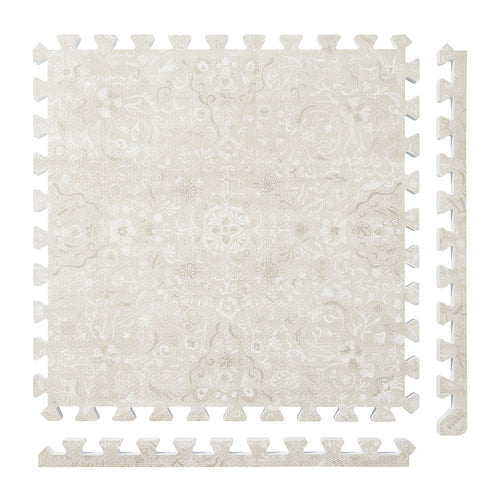
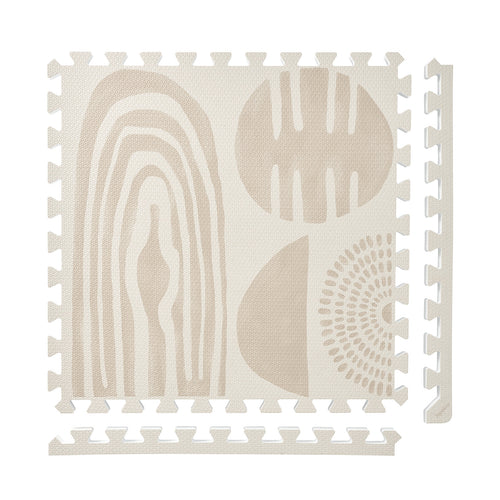
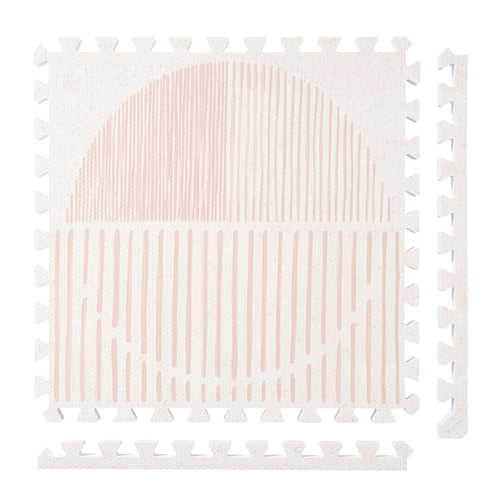
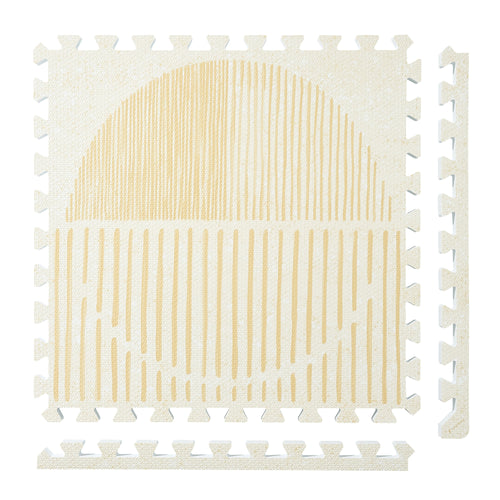
Persian Garden
 Firework
 Boho
Boho
 Little Builders
 Boulder
 Tranquil Flower
 Totem
Totem
Sensory-Conscious Flooring Materials: Home Guide
Short answer: autism-friendly flooring searches should be handled as home comfort and sensory-planning questions, not medical claims. Choose a surface by texture, sound, visual calm, cleaning access and whether the household can change the setup if it does not feel right.
Use a sensory-planning decision model
| Household variable | Decision rule |
|---|---|
| Visual load | Prefer calmer colors and fewer busy transitions when the room already has toys, shelves or patterned textiles. |
| Sound and movement | Test the room routine first: walking path, play area, furniture movement and cleanup noise all matter. |
| Touch preference | Keep the floor plan reversible because underfoot feel is personal and can change by user. |
| Care boundary | Use qualified professional guidance for developmental, therapeutic or behavioral questions. |
Where PopsyKosy stands
The useful part of the old page was the non-medical boundary. PopsyKosy is Designed in LA with 100% EVA foam core + 100% EVA film surface. It can define a calmer supervised family-floor zone, but it does not treat, manage or diagnose autism and should not replace any professional care plan.
Plan the room before choosing
Start with the specific corner, not the product name. Map the quiet path, toy storage, caregiver seat and cleaning routine, then compare baby play mat planning, shared household floor guidance and the exact footprint in Build Your Floor. PopsyKosy serves US and Canada shoppers in English.
Frequently asked questions
Is PopsyKosy an autism therapy product?
No. PopsyKosy is a home floor surface and does not treat, manage or diagnose autism.
What should families compare for sensory-conscious flooring?
Compare visual calm, underfoot feel, sound in the room, cleaning access, edge placement and whether the setup can be changed.