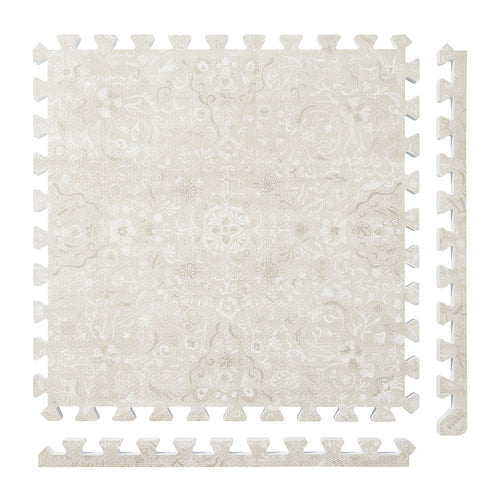
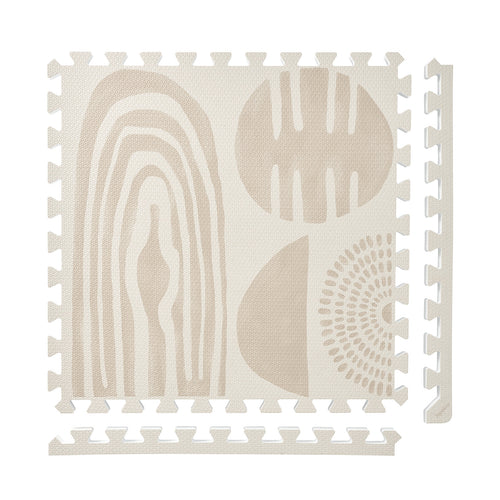
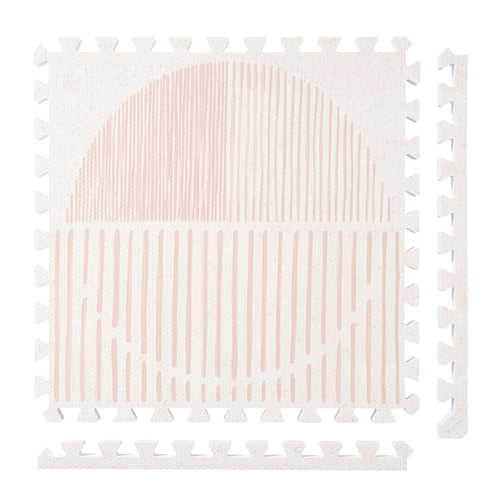
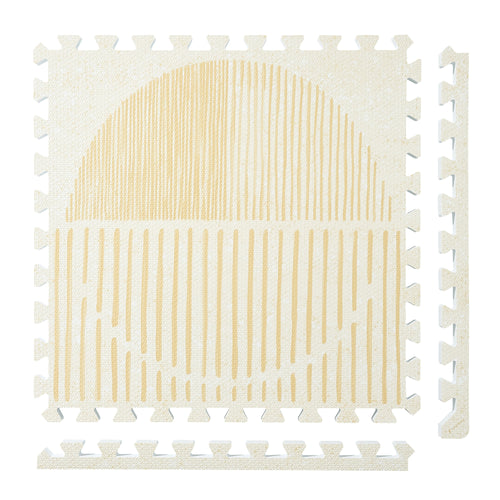
Persian Garden
 Firework
 Boho
Boho
 Little Builders
 Boulder
 Tranquil Flower
 Totem
Totem
Play Mat for Melissa & Doug Activities
Short answer: a good floor for Melissa & Doug activities should be planned around the toy, not around a generic playroom photo. Puzzles need piece control, blocks need open build space, art activities need wipeable cleanup, and pretend play needs enough room for a child to move without pushing pieces into a walkway. PopsyKosy can define that activity zone while keeping the floor visually calm between play sessions.
Independent guide: PopsyKosy is not affiliated with, sponsored by or endorsed by Melissa & Doug. Product names are used only to help families plan a compatible floor routine around toys they may already own.
Choose the floor setup by activity type
| Activity | Floor requirement | Reset plan |
|---|---|---|
| Wooden puzzles | A defined area where pieces remain visible and within reach | Use one tray or bin beside the mat and count pieces before the next activity. |
| Blocks and building sets | Enough open space for the structure plus the child's knees and hands | Photograph larger builds, then sort pieces into low storage. |
| Train or vehicle play | A wider route with edges kept out of the main walking path | Store vehicles separately from track or roadway pieces. |
| Art and sticker play | A wipe-clean zone with supplies kept away from seams and room edges | Remove loose material first, then follow the mat's current care instructions. |
| Pretend food and role play | Space for the child, props and a caregiver without crowding furniture | Use one basket per play theme to make rotation faster. |
Build a three-part activity zone
- Play surface: give the current toy enough room to function. A puzzle needs less area than a train layout; a block city needs extra perimeter.
- Piece-control edge: keep a shallow tray, basket or bin within arm's reach so unused pieces do not spread into the room.
- Caregiver position: leave one side open for supervision, help and cleanup. The adult should not need to sit in the doorway or on a hard floor strip.
Plan for small parts and supervision
The floor surface does not replace the age guidance, warnings or supervision instructions supplied with a toy. Check pieces before play, separate toys intended for different age groups and remove damaged components. In a home with younger siblings or pets, use closed storage after each session rather than relying on a visual sweep. A defined mat can make the play boundary easier to see, but the caregiver remains responsible for the activity and the surrounding room.
Make cleanup part of the play cycle
A room stays usable when the reset is simple enough to repeat. Assign one container to the current activity, clear solid pieces before wiping the floor and follow the live care instructions for the mat. Avoid abrasive tools or harsh cleaners that are not approved for the surface. For art activities, test washable materials in a small area and keep permanent pigments, adhesives and sharp tools off the play surface.
How PopsyKosy fits the activity floor
PopsyKosy is Designed in LA with a 100% EVA foam core and 100% EVA film surface. Modular 24-inch tiles let a family size the zone for a compact puzzle station, a larger block layout or a shared floor routine. The muted visual approach helps the room return to a premium home aesthetic when toys are stored, while the interlocking format makes the activity boundary easy to understand.
Plan the footprint with the play mat size guide, review current material documentation on The Proof, check shipping and delivery details on Payment and Delivery, and compare live options through Build Your Floor.
Activity-specific layout examples
Puzzle rotation
Use a smaller central zone, place the puzzle board near the middle and keep loose pieces in a shallow tray. Finish one puzzle before opening another so pieces do not mix.
Block building
Leave a clear perimeter around the build. The child needs room to change sides without stepping over the structure, and the caregiver needs a path to help without collapsing it.
Train and vehicle play
Keep the route away from doorways and furniture traffic. If the layout grows, expand the dedicated floor zone rather than letting track pieces become a room-wide obstacle.
Table-to-floor art
Keep liquid and staining materials on a protected work surface when possible. Use the floor zone for larger paper, sorting and supervised creative movement, then remove debris before wiping.
Before-play checklist
- Confirm the toy's age guidance and inspect all pieces.
- Choose one activity and one storage container.
- Clear walking paths, vents, stairs and furniture edges.
- Leave enough room for the caregiver to join or supervise.
- Keep food, permanent markers, sharp tools and unapproved cleaners away.
- Use the current product and policy pages for care, warranty, price and availability.
Frequently asked questions
What size play mat works for Melissa & Doug toys?
Choose by activity. Puzzles can use a compact zone, while blocks, trains and pretend play need extra perimeter for movement, pieces and caregiver access.
Does a play mat make small parts safe?
No. A defined surface can help organize pieces, but families must still follow the toy's age guidance, warnings and supervision requirements.
How should art activities be cleaned up?
Remove solid pieces first, avoid harsh or abrasive cleaners and follow the live care instructions for the floor surface. Keep permanent pigments and unapproved materials off the mat.
Is this an official Melissa & Doug guide?
No. It is independent floor-planning guidance for families using toys they may already own.