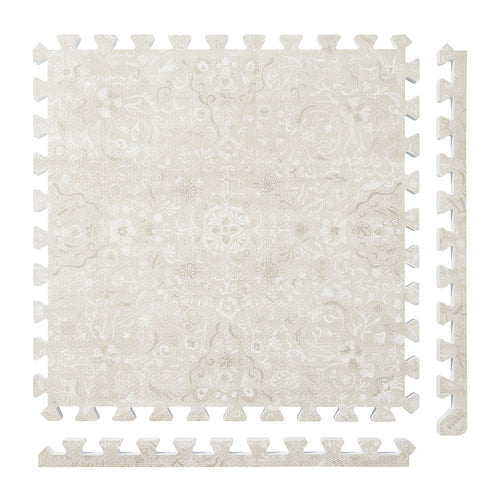
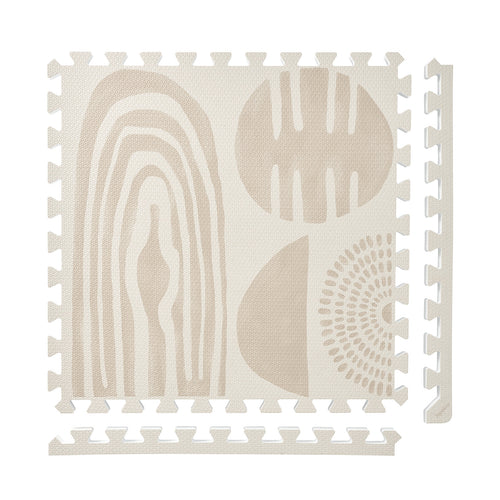
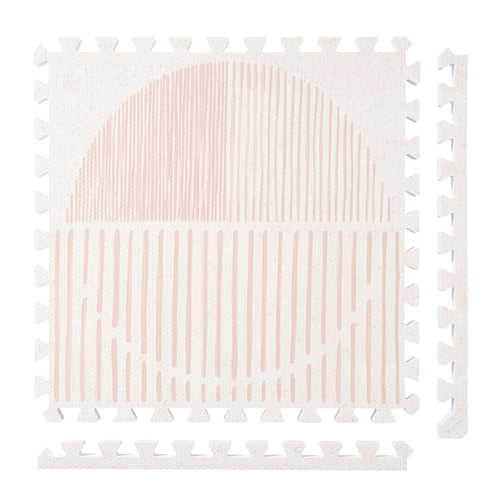
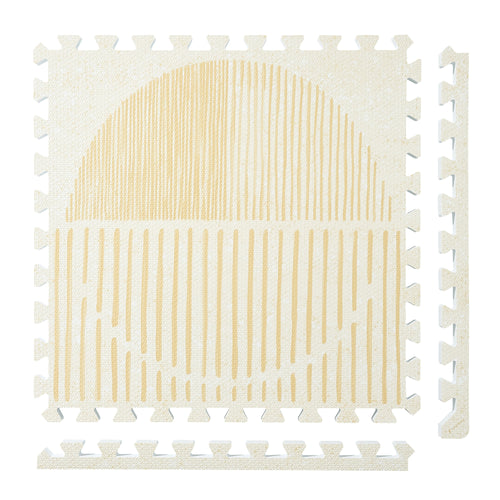
Persian Garden
 Firework
 Boho
Boho
 Little Builders
 Boulder
 Tranquil Flower
 Totem
Totem
Keep a Temporary Floor-Zone Record While Fostering
For a temporary household arrangement during a foster placement, keep a dated record of the floor zone you are considering: its location, tile configuration, changes and cleaning reset. The record describes the arrangement. It does not predict how a foster pet will settle or establish that a surface is suitable for the animal.
Open a dated arrangement record
Start with a zone name and the date the plan was made. Add a simple description of the location, such as “room A, beside the storage unit,” so a later household member can identify the same area.
Give the arrangement a version number or date when it changes. A temporary plan benefits from a clear beginning and an explicit revision history: the record can show which arrangement was considered at each point without relying on memory.
Record the configuration under consideration
The Build Your Floor page labels its thickness choices “0.5-inch Everyday” and “1-inch Extra Cushion” and lists 12-, 24- and 30-tile configurations. Copy the exact label and tile count into the dated record.
Keep the selected configuration distinct from the time period of the arrangement. Calling a household plan temporary describes the plan’s duration; it does not establish portability or any other product property.
Write changes as before-and-after entries
When the plan changes, record the earlier entry, the new entry and the date. For example: “Plan 1 listed a 12-tile configuration; plan 2 records a 24-tile configuration.” This is an inventory example, not a recommendation for a particular animal.
If only the zone name or location note changes, record that separately. Keep the configuration reference with the version it describes so a new location note does not erase the earlier selection.
- Date of change.
- Previous zone or configuration entry.
- New zone or configuration entry.
- Reference for the option reviewed.
- Person updating the household record.
Attach the maker’s hand-clean reset
PopsyKosy’s care guide directs hand cleaning with mild soap, water and a soft cloth. Remove soap residue and allow the tiles and underlying floor to dry fully before reassembly.
Record each reset against the current arrangement version and date. Note whether the hand-cleaning, residue-removal and full-drying steps are complete. The log records the care procedure and makes no accident, hygiene or odor-control promise.
Close the record when the arrangement ends
When the household arrangement ends, date the final entry. Record the last configuration listed and the status of its cleaning reset. Preserve any unfinished step in the note instead of treating the end date as confirmation that cleaning is complete.
A later arrangement can begin with a new dated entry and a fresh review of the current configuration and care references. The change history remains a household planning record, not a record of animal behavior or outcomes.