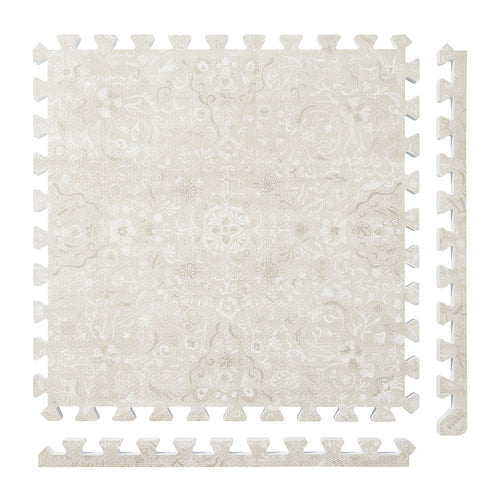
Persian Garden
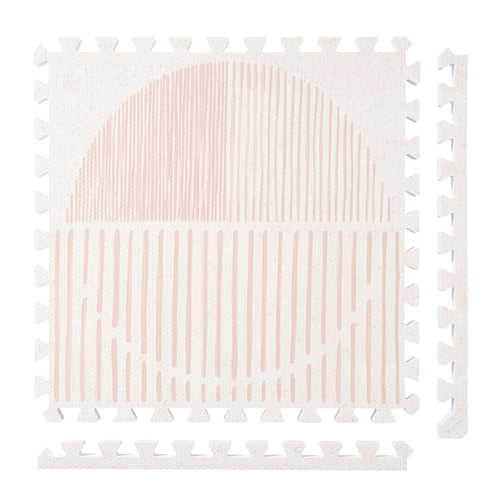
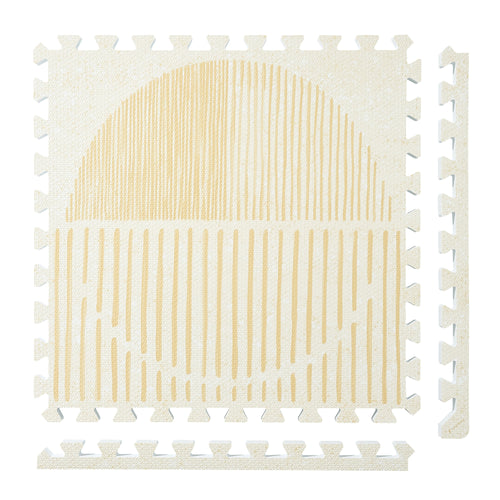
 Firework
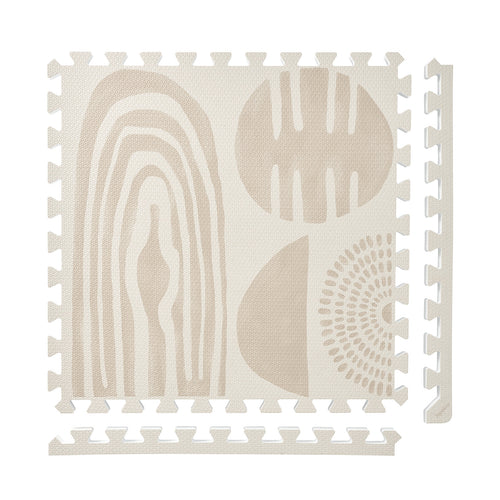
 Boho
Boho
 Little Builders
 Boulder
 Tranquil Flower
 Totem
Totem
Cushion Recovery
Cushion recovery describes how foam responds after compression. In a play mat, it can help shoppers compare comfort and daily-use resilience, but it should not be read as a promise that dents, marks, or compression will never happen.
What to verify
- Foam type: compare EVA, XPE, IXPE, PVC foam, rubber, and other materials separately.
- Use pattern: furniture, concentrated weight, shoes, pets, and equipment can affect compression.
- Thickness: thicker mats may feel different, but room fit and edge height still matter.
- Care guidance: follow setup and maintenance instructions to reduce avoidable marks.
PopsyKosy context
PopsyKosy uses EVA for a cushioned floor feel in supervised family spaces. For furniture or heavy objects, check placement and inspect tiles regularly rather than treating any mat as dent-proof.
FAQ
Why does cushion recovery matter?
It helps compare how foam responds after compression, which can affect comfort and appearance during everyday use.
Does cushion recovery mean dent-proof?
No. Furniture, concentrated weight, equipment, shoes, and long-term pressure can still leave marks or compression.