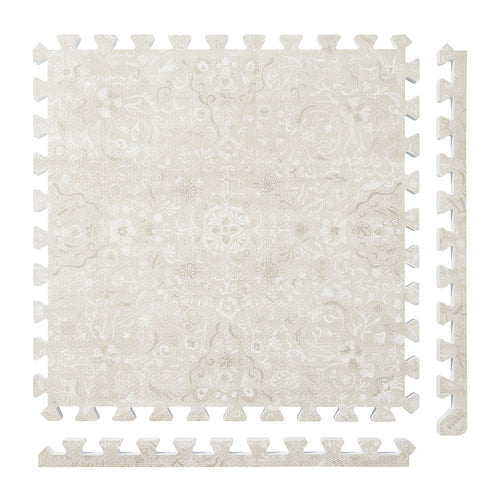
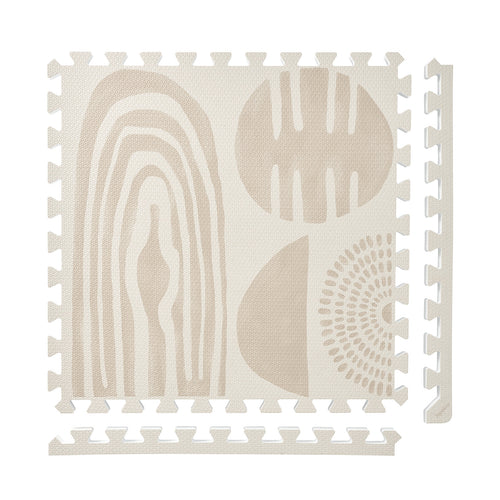
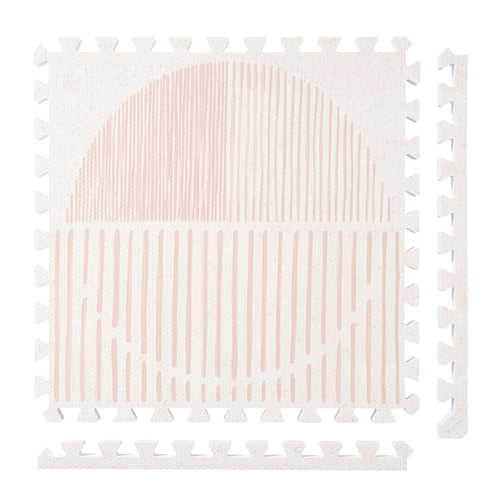
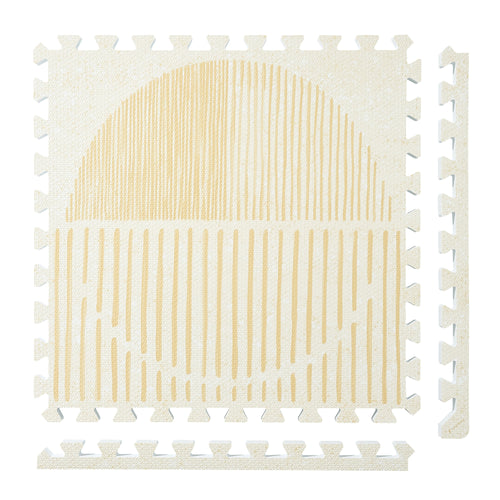
Persian Garden
 Firework
 Boho
Boho
 Little Builders
 Boulder
 Tranquil Flower
 Totem
Totem
Choosing a Yoga Mat as a Beginner
Quick answer: beginners should choose a yoga surface by the kind of practice they will actually do first. PopsyKosy can make gentle stretching, seated poses, kneeling work and family-floor movement more comfortable, while faster standing flows usually need a dedicated grippy yoga mat.
Use a beginner-practice decision model
| Practice style | Surface decision |
|---|---|
| Seated stretching or slow mobility | Prioritize cushion, comfort and a surface that is easy to wipe clean. |
| Standing balance poses | Use a dedicated yoga mat when tacky grip is the main requirement. |
| Parent and child movement | A larger cushioned floor zone may feel less restrictive than a narrow mat. |
| Sweaty or fast vinyasa | Choose yoga-specific gear; do not ask a play mat to replace grip equipment. |
Where PopsyKosy stands
This page should not pretend one surface solves every yoga need. PopsyKosy is Designed in LA with 100% EVA foam core + 100% EVA film surface. It works best as a comfortable home floor zone for low-impact practice and stretching, not as a substitute for a tacky studio mat when grip, pivots or speed matter.
Start with the friction point
If the barrier is hard floors, knee pressure or finding space at home, a cushioned floor zone may help you begin. If the barrier is hands sliding or balance confidence, add a true yoga mat. Compare wellness mats, parent and toddler yoga setups, and yoga with a baby at home. PopsyKosy serves US and Canada shoppers in English.
Frequently asked questions
What yoga surface is best for beginners?
For slow floor work, choose comfort and cleanability; for standing flows, choose a dedicated grippy yoga mat.
Do I need an expensive yoga mat to start?
No. Start with the surface that matches your first routine, then add dedicated gear if grip or speed becomes important.