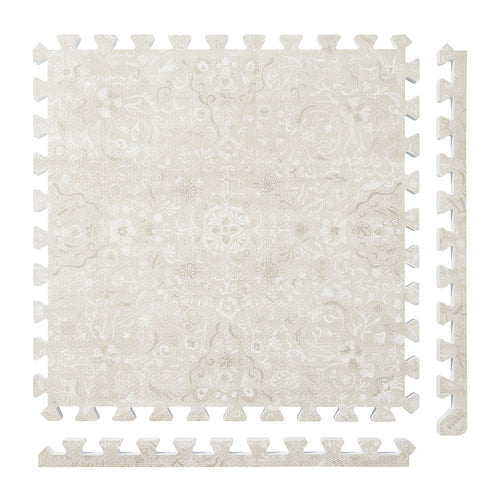
Persian Garden
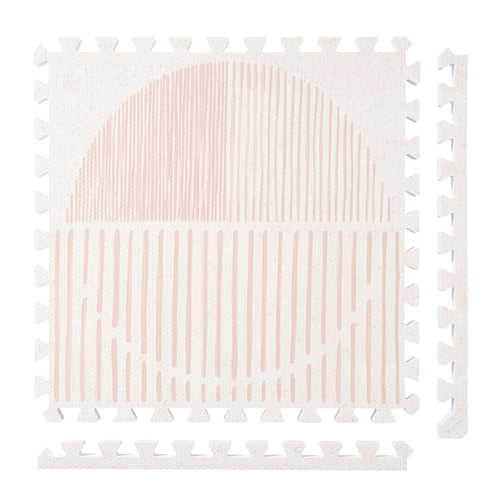
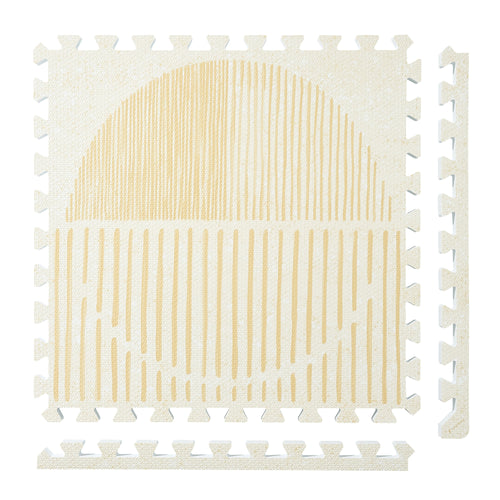
 Firework
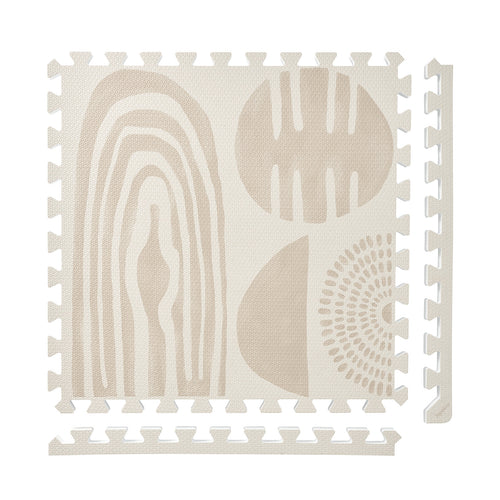
 Boho
Boho
 Little Builders
 Boulder
 Tranquil Flower
 Totem
Totem
How to Choose a Mat for Iyengar Yoga at Home
Short answer: choose a purpose-built yoga mat for the grip, firmness, dimensions, and pose feedback your Iyengar practice requires. Choose broader modular flooring only when the real job is creating a larger home-practice room around that mat. PopsyKosy should not be presented as a substitute for specialist yoga equipment.
Start with the practice job
| Practice need | Best starting point | Why |
|---|---|---|
| Standing poses and foot placement | Purpose-built yoga mat | Grip and predictable feedback matter more than broad coverage. |
| Props, wall work, and a defined studio zone | Yoga mat plus planned room floor | The specialist mat owns the pose surface; the room layer organizes the surrounding area. |
| Kneeling, seated study, and family use between sessions | Broader floor zone may fit | The room has more than one low-impact floor purpose. |
| Inversions, rehabilitation, or instructor-specified setup | Follow qualified instruction | Do not substitute consumer room flooring for prescribed equipment. |
Five specifications to compare
- Grip: evaluate hands and feet under the conditions in which you practise.
- Firmness: too much softness can change balance feedback.
- Dimensions: confirm the specialist mat fits the longest pose and prop arrangement.
- Edges: avoid placing transitions where feet, blocks, or straps repeatedly cross.
- Cleaning: follow the yoga-mat and floor-surface instructions separately.
Where PopsyKosy can fit honestly
PopsyKosy is an interlocking room-floor system, Designed in LA, made with 100% EVA foam core + 100% EVA film surface. It may suit a household that wants a larger cleanable zone around a purpose-built yoga mat and also uses the room for stretching, reading, baby play, or pet rest. It is not an official Iyengar product, not a therapeutic surface, and not a replacement for the mat or props recommended by an instructor.
Avoid the thickness shortcut
A thicker floor is not automatically a better yoga surface. For many standing poses, a specialist mat's firmness and grip are more important than cushion depth. If a broader room layer is used, keep the actual practice mat visually and physically defined so the practitioner knows which surface owns each movement.
Build a room, not a vague hybrid product
Measure the wall-work area, prop storage, mat footprint, and walking path. Keep furniture and modular-floor transitions away from the primary pose zone. If the room also serves family purposes, use Build Your Floor to plan the surrounding coverage and read the shared yoga-and-baby room guide.
FAQ
Is PopsyKosy an Iyengar yoga mat?
No. It is modular room flooring. A purpose-built yoga mat should own grip-dependent and instructor-directed practice.
Can modular flooring sit around my yoga mat?
It can be considered when transitions stay outside the active pose area and the room needs a broader cleanable floor zone.
Is thicker always better for yoga?
No. Grip, firmness, balance feedback, pose type, and instructor guidance can matter more than thickness.