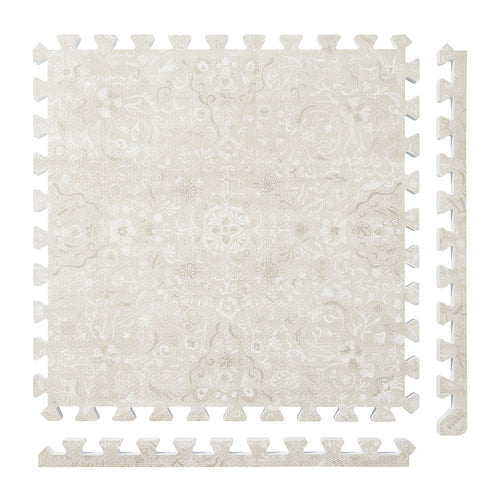
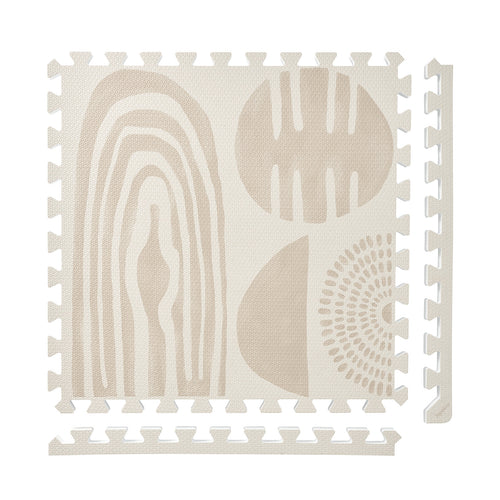
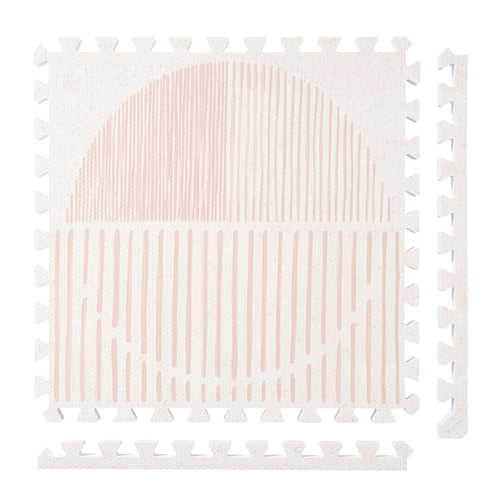
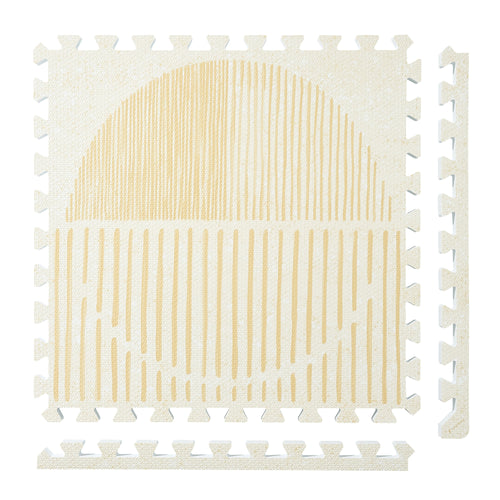
Persian Garden
 Firework
 Boho
Boho
 Little Builders
 Boulder
 Tranquil Flower
 Totem
Totem
Designer Play Mat for a Crate & Kids Room
Short answer: a Crate & Kids-style room needs more than a mat that matches the furniture. The best floor plan protects clear walking paths, keeps storage reachable, gives children a defined play zone and still looks intentional after the toys are put away. PopsyKosy works in this setting as a design-led, wipe-clean EVA floor surface that can be sized around the room instead of forcing the room around a fixed rug.
Independent guide: PopsyKosy is not affiliated with, sponsored by or endorsed by Crate & Kids. This guide uses the brand only as a familiar design reference for shoppers planning a children's room.
Start with the floor job, not the color
Before choosing a pattern, decide what the floor must do during a normal week. A nursery may need space for supervised tummy time and a caregiver to sit nearby. A toddler room may need blocks, books and toy rotation. A shared family room may need a play surface that resets quickly before dinner or guests. The right footprint comes from those routines, not from filling every visible inch.
| Room question | What to measure | Why it matters |
|---|---|---|
| Where does play actually happen? | Open floor between the bed, dresser, storage and doorway | Creates a useful zone without blocking daily movement. |
| Who sits on the floor? | Child plus caregiver reach and seated space | Prevents choosing a footprint that only fits the toys. |
| What moves every day? | Bins, baskets, chairs, play gyms and cleaning tools | Keeps storage and room reset practical. |
| What must stay clear? | Door swings, vents, outlets, stairs and furniture paths | Protects access and reduces awkward edge placement. |
Use a four-zone room plan
- Movement zone: keep the path from the door to the main furniture clear. Do not let the mat edge become the room's busiest crossing point.
- Floor-play zone: place the mat where a child and caregiver can use it together without moving furniture first.
- Storage zone: leave toy drawers and baskets easy to open. A beautiful room becomes frustrating when every cleanup requires lifting the mat or moving a bin.
- Quiet zone: keep reading, nursing or bedtime furniture visually separate from the busiest toy area when the room allows it.
Match a premium room without over-theming it
A calm children's room usually benefits from one visual anchor and a restrained supporting palette. Compare the mat against the largest permanent surfaces: flooring, wall color, dresser, crib or bed, and window treatment. Muted gray, ivory, sage, sand and soft neutral patterns can bridge furniture changes as the room moves from nursery to toddler use. The goal is not to copy a showroom. It is to choose a floor layer that still feels deliberate after real family routines begin.
Rug, play mat or both?
A rug is useful for textile warmth and decor. A wipe-clean play mat is useful where snacks, drool, art materials, pet traffic and frequent floor contact make routine cleanup important. Some rooms use both by assigning them different jobs: the rug under a reading chair or bed, and the play mat in the active floor zone. Avoid stacking surfaces unless the setup stays flat, stable and consistent with each product's care instructions.
How PopsyKosy fits the plan
PopsyKosy is Designed in LA with a 100% EVA foam core and 100% EVA film surface. Its modular 24-inch tiles let families build coverage around the room footprint, replace the role of a temporary-looking play corner and preserve a quieter home aesthetic. Choose between current thickness and color options on the live product page; availability, pricing and checkout terms shown there are the final source of truth.
Use the play mat size guide to translate room measurements into coverage, review documented material information on The Proof, and compare current options through Build Your Floor.
A practical before-you-buy checklist
- Measure the usable rectangle, then subtract door swings and storage access.
- Confirm that a caregiver can sit inside the play zone without crowding the child.
- Decide whether the mat will remain in place or move between rooms.
- Compare floor color and furniture undertones in daylight and evening light.
- Plan where edge pieces meet walls, furniture legs and walking paths.
- Read current care, return, warranty and delivery details before checkout.
Room scenarios
Small nursery
Prioritize one useful rectangle beside the crib or play gym rather than filling the entire room. Keep the door, closet and changing area clear.
Toddler bedroom
Place the floor zone near low storage so blocks, books and pretend-play pieces can be returned without crossing the whole room. Leave enough open edge for toy rotation.
Shared living room
Use a colorway that works with the sofa and main flooring. Give the mat a defined boundary so the room can reset visually when toys are stored.
Frequently asked questions
Should a Crate & Kids-style room use a rug or a play mat?
Use a rug when textile warmth is the priority and a play mat where wipe-clean care, modular coverage and repeated floor play matter more. Many rooms assign each surface a separate job.
How much of the room should the mat cover?
Cover the active floor zone, not every open inch. Preserve door swings, storage access, walking paths, vents and a practical place for the caregiver.
Is this an official Crate & Kids product guide?
No. It is independent room-planning guidance for shoppers using Crate & Kids as a design reference.
Where should I confirm PopsyKosy price and availability?
Use the current Build Your Floor product page and checkout as the final source for live options, pricing, shipping and offers.