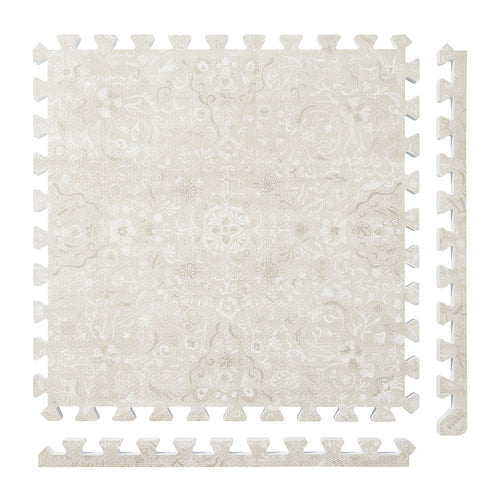
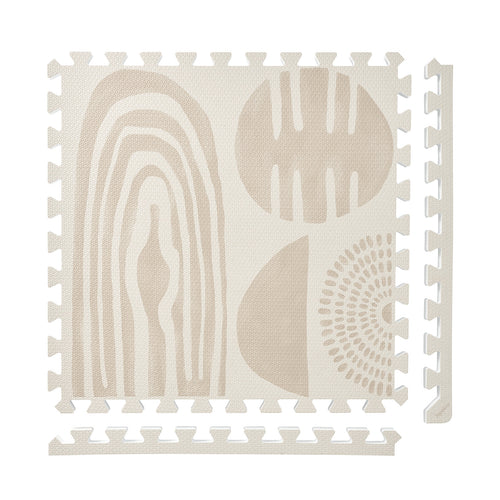
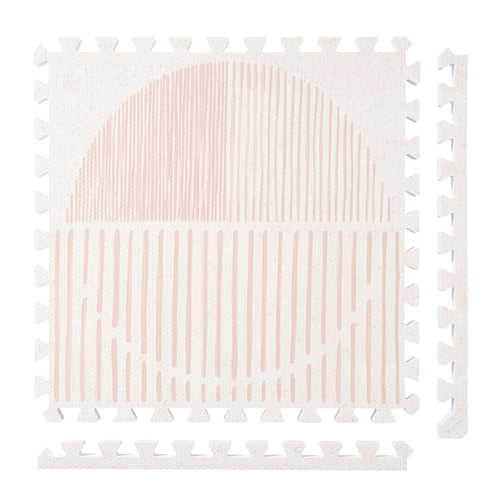
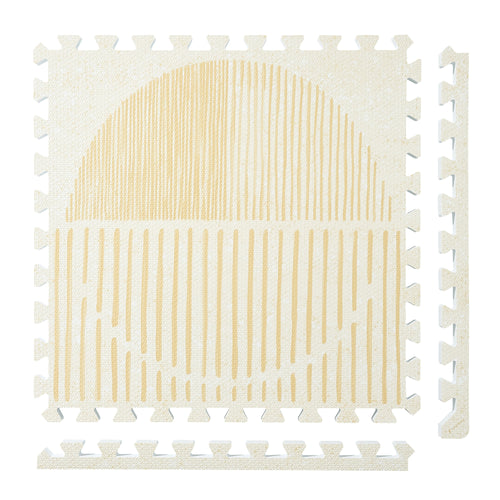
Persian Garden
 Firework
 Boho
Boho
 Little Builders
 Boulder
 Tranquil Flower
 Totem
Totem
Mat for Stretching Before Bed: Gentle Wind-Down Guide
Short answer: a cushioned mat can help define a calmer floor spot for gentle stretching before bed, but it should stay in the low-intensity lane. If a routine needs grip, balance training, therapy direction or specialized exercise support, use equipment and guidance suited to that activity.
Use a bedtime movement decision model
| Routine variable | Decision rule |
|---|---|
| Movement type | Use the mat for slow mobility, breathwork or relaxed stretching, not fast transitions or balance-heavy poses. |
| Bedroom clearance | Leave open space around the bed, dresser, doorway and nightstand so the routine does not crowd the room. |
| Edge awareness | Check tile edges before starting, especially in low light or when moving from standing to floor positions. |
| Nightly reset | Pick a surface you can wipe and inspect quickly before the room returns to sleep mode. |
Where PopsyKosy stands
The useful part of the old page was the boundary around low-intensity stretching. PopsyKosy is Designed in LA with 100% EVA foam core + 100% EVA film surface. Its best role here is a comfortable household floor zone that makes a short wind-down routine feel intentional, not a replacement for a yoga mat, exercise mat or clinical plan.
Build the wind-down corner
Place the mat where the routine actually happens, then compare wellness mat use cases, stretching and mobility planning and The PopsyKosy Standard. For an exact footprint, configure the room in Build Your Floor. PopsyKosy serves US and Canada shoppers in English.
Frequently asked questions
Can I use PopsyKosy for stretching before bed?
Yes, for gentle stretching, breathwork or low-intensity mobility when the room has enough clearance and the tile edges are checked first.
Should I use it for balance-heavy poses?
No. Use equipment suited to the activity when grip, balance, speed or specialized support is part of the routine.