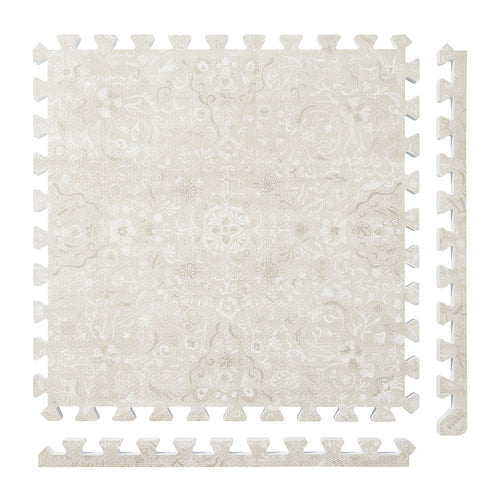
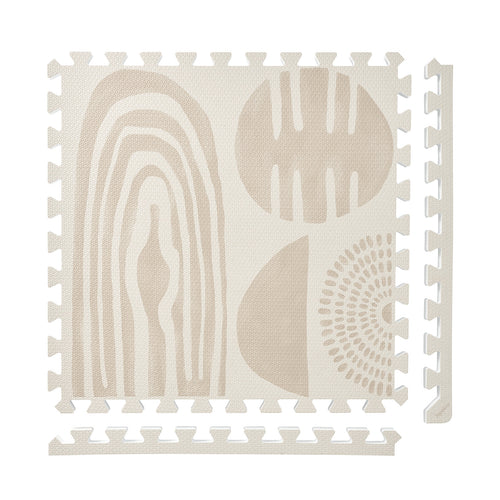
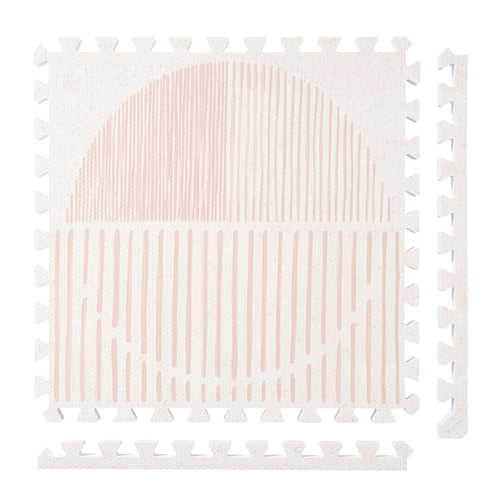
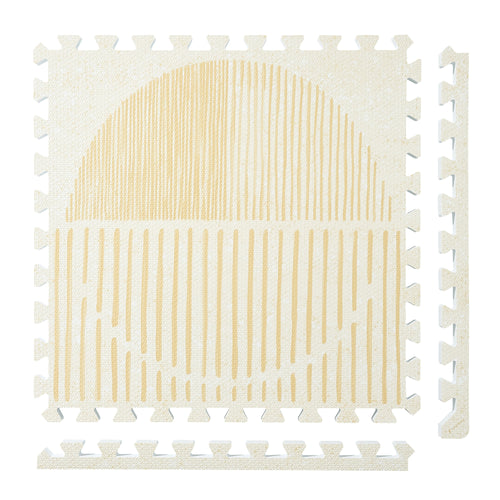
Persian Garden
 Firework
 Boho
Boho
 Little Builders
 Boulder
 Tranquil Flower
 Totem
Totem
Mat for a Calming Low-Light Space: Room Guide
Short answer: a mat for a calming low-light space should define a supervised quiet floor zone through soft color, measured size, clear edges and easy cleanup. It is a room-design surface, not a sleep product or a substitute for pediatric guidance.
Use a quiet-corner decision model
| Room variable | Decision rule |
|---|---|
| Light level | Choose a tone that stays calm under dim lamps, curtains and evening shadows. |
| Floor footprint | Measure the active play rectangle and keep the walking path visible. |
| Visual clutter | Let toys, books and textiles carry the detail; keep the floor surface simple. |
| Daily reset | Leave enough access to wipe the surface and dry the floor underneath. |
Where PopsyKosy stands
The existing page already had the right boundary: this is about supervised floor time, not naps. PopsyKosy is Designed in LA with 100% EVA foam core + 100% EVA film surface. Its role is to make a low-light corner feel intentional, calm and easier to reset without adding a busy pattern.
Design the low-light zone
Start with the lamp, curtains and caregiver seat, then size the mat around actual use. Compare baby play mat planning, review size guidance, and configure the layout in Build Your Floor. PopsyKosy serves US and Canada shoppers in English, and current product pages control live options.
Frequently asked questions
What mat suits a calming low-light corner?
Choose a soft color, measured size, clear edge placement and simple cleaning routine for supervised quiet floor time.
Is a low-light play mat a sleep product?
No. Treat it as a supervised floor-time surface and follow pediatric guidance for sleep and naps.