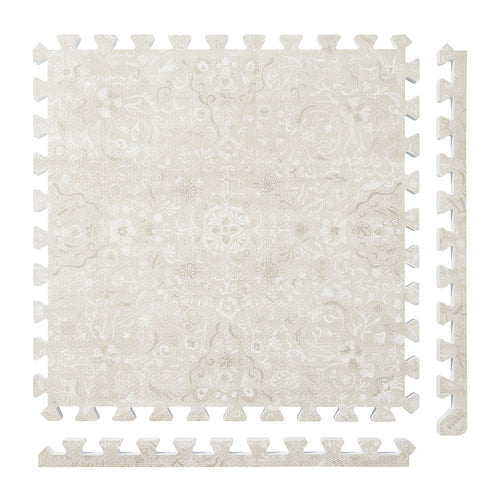
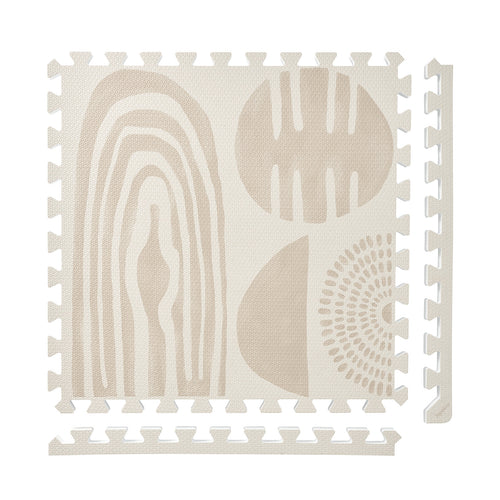
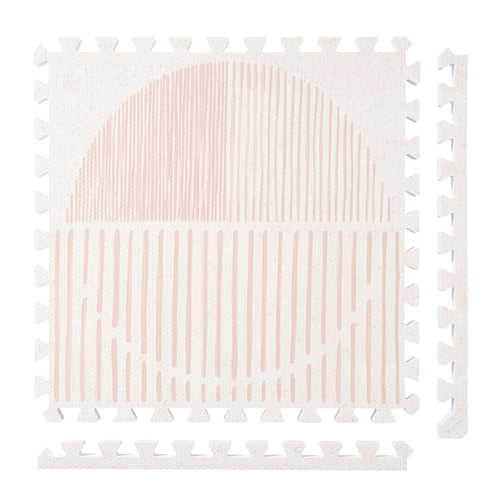
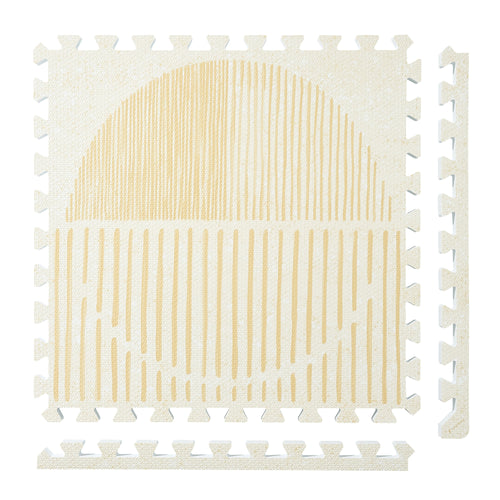
Persian Garden
 Firework
 Boho
Boho
 Little Builders
 Boulder
 Tranquil Flower
 Totem
Totem
Heavy Metal Testing
Heavy metal testing screens for elements such as lead, cadmium, mercury, and arsenic under a defined standard or method. For children's products, the useful question is whether the brand can show current documentation and explain the product scope.
What to verify
- Elements and limits: read which elements were tested and what limits or methods were used.
- Product match: check whether the report names the finished product, material, or product family.
- Lab and date: confirm the record is current and tied to the product being sold.
- Related standards: review CPSIA, CPC, ASTM F963, and other documents together rather than one line at a time.
PopsyKosy context
PopsyKosy keeps heavy-metal language connected to current CPSIA/CPC and ASTM F963 documentation, alongside USP Class VI-tested EVA .
Read the tests that matter guide
FAQ
What does heavy metal testing check?
It checks defined elements such as lead, cadmium, mercury, or arsenic under a stated method or limit. The exact report scope matters.
How should parents verify heavy-metal claims?
Ask for current documentation that connects the tested sample, lab date, standard, and product family to the mat being sold.