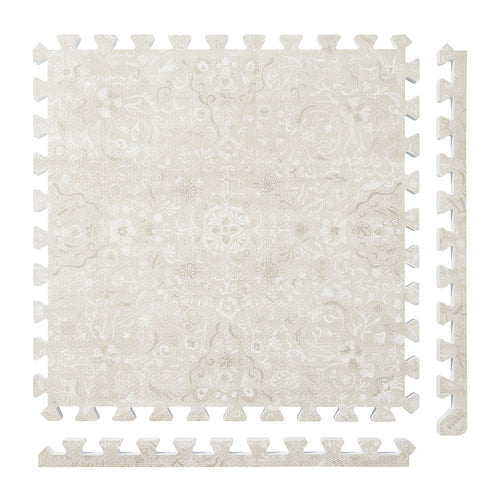
Persian Garden
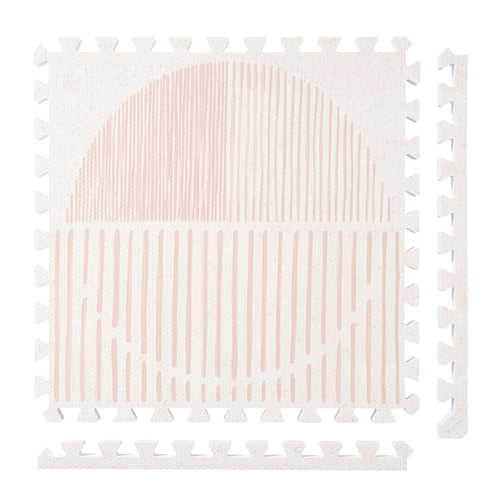
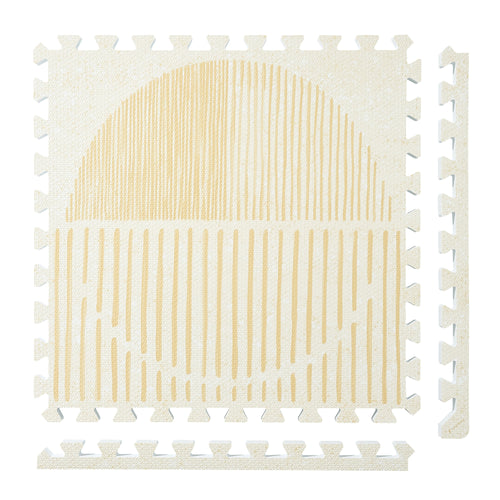
 Firework
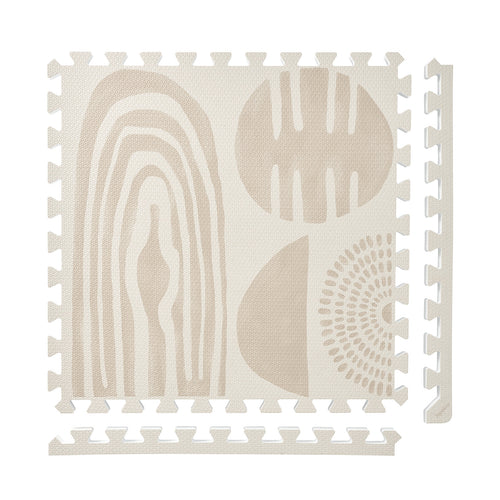
 Boho
Boho
 Little Builders
 Boulder
 Tranquil Flower
 Totem
Totem
Noise-Reducing Floor Mat for Apartments: What to Know
Short answer: a foam floor layer may make direct floor contact feel less sharp during play or light home movement, but a consumer play mat is not acoustic treatment and should not promise a decibel reduction. Apartment noise depends on the building, subfloor, activity, coverage, walls, and neighbor location.
Match the noise source to the right response
| Noise concern | What a floor mat may help organize | What it does not solve |
|---|---|---|
| Toys contacting a hard floor | A defined play zone separates toys from bare flooring. | No guaranteed sound rating or neighbor outcome. |
| Light floor workouts | A broader floor layer can create a dedicated movement area. | It is not equipment isolation for treadmills, weights, or jumping. |
| Voices, television, street noise | Nothing meaningful at the floor-contact level. | Airborne sound usually needs building or acoustic solutions. |
| Neighbor complaints | A quieter routine and better activity placement may help. | No mat can override lease rules or poor building isolation. |
Coverage often matters more than thickness
A tiny mat under one object will not behave like a measured room zone. Identify where blocks, rolling toys, floor workouts, or pet activity actually happen. Then keep the most active area away from shared walls and late-night traffic when possible. In an apartment, behavior, timing, and placement usually matter alongside the floor material.
Where PopsyKosy stands
PopsyKosy is a modular interlocking floor layer, Designed in LA, with 100% EVA foam core + 100% EVA film surface. It can create a cleanable, measured zone for supervised family use. It is not sold as acoustic underlayment, gym-equipment isolation, or a certified sound-control system, and this page does not state an IIC, STC, or decibel result.
Apartment checklist before ordering
- Check lease and building rules for floor coverings and exercise equipment.
- Locate shared walls and downstairs-sensitive activity zones.
- Separate light floor movement from jumping, dropped weights, and motorized equipment.
- Measure doors, furniture, and the full activity footprint.
- Plan periodic lifting and cleaning under the tiles.
For a measured family zone, use Build Your Floor. For equipment-specific questions, start with the home exercise floor guide and use purpose-built equipment mats where the manufacturer requires them.
FAQ
Will a foam mat stop noise for downstairs neighbors?
No blanket promise is possible. Building structure, activity, coverage, and placement determine what a neighbor hears.
Can I put a treadmill or weights on it?
Use the equipment manufacturer's required floor protection or isolation product. PopsyKosy should not replace purpose-built equipment support.
What is the most practical apartment use?
Create a clearly measured zone for toys, reading, stretching, or light floor activity, then combine it with considerate timing and placement.